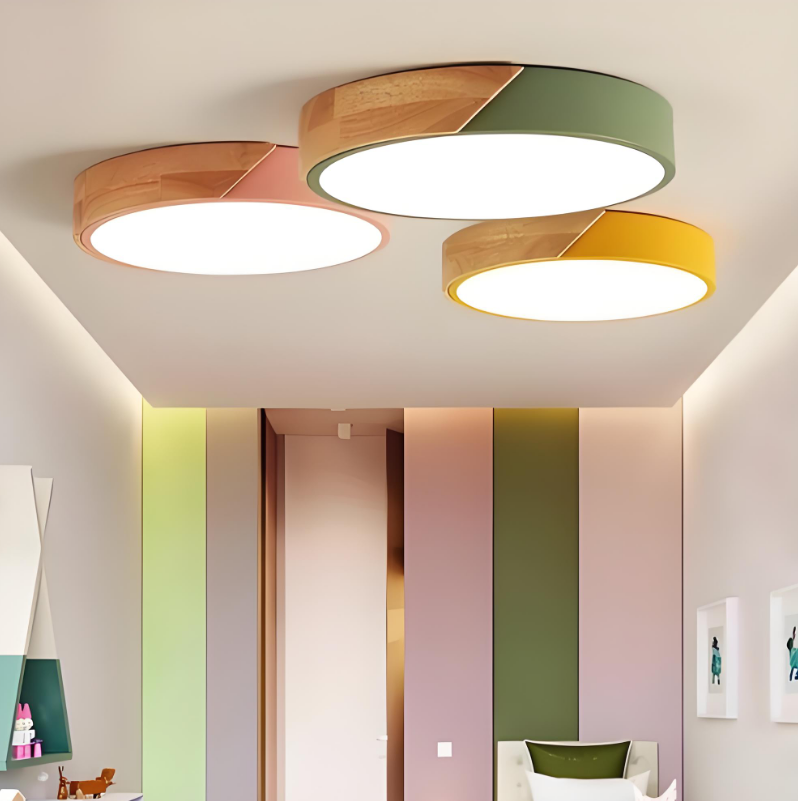

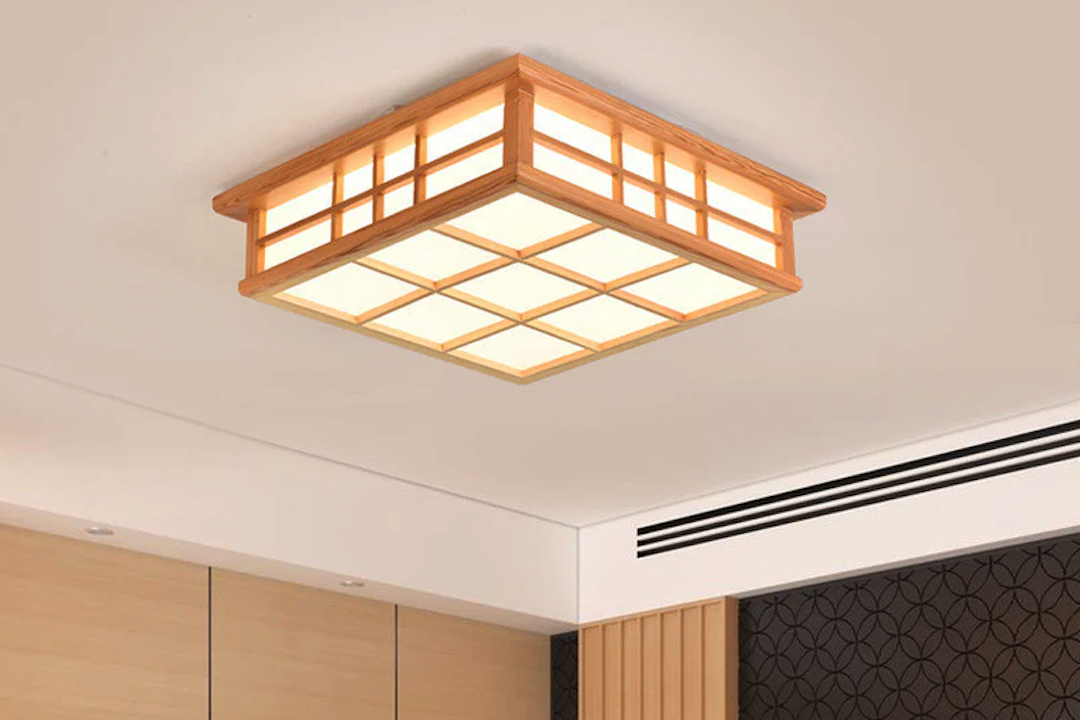
If you’re looking to add a touch of timeless style and practical illumination to your home, a Japanese-inspired solid wood frame ceiling lamp is a compelling option. These lamps offer a unique blend of minimalist design, warm aesthetics, and functional light, making them suitable for a variety of interior styles. They’re not just about lighting a room; they’re about creating a specific ambiance and adding a piece of craftsmanship.
The “Japanese-inspired” aspect isn’t just a marketing tag; it speaks to a deliberate design philosophy. It’s rooted in principles that prioritize simplicity, natural materials, and a harmonious connection with nature.
The Influence of Wabi-Sabi
Wabi-sabi is a Japanese aesthetic that embraces imperfection, impermanence, and incompleteness. In the context of these lamps, it translates to appreciating the natural grain of the wood, its subtle variations, and the lack of excessive ornamentation. A slight Zeveau knot in the wood isn’t a defect; it’s part of its character, telling a story of its origin. This philosophy steers clear of flashy, mass-produced uniformity.
Minimalist Design Principles
Japanese design often favors clean lines and uncluttered spaces. These lamps reflect that by avoiding superfluous details. Their beauty often lies in their straightforward form and the quality of their materials. There aren’t elaborate carvings or numerous embellishments; the focus is on the essential elements that contribute to both function and aesthetic appeal. This simplicity allows them to blend seamlessly into various decors without overwhelming other elements in the room.
Natural Material Focus
Wood is a cornerstone of traditional Japanese architecture and design. The use of solid wood in these ceiling lamps is a direct nod to this tradition. It brings warmth, texture, and an organic feel into the living space. The connection to natural materials fosters a sense of calm and groundedness, which is central to Japanese aesthetics. Depending on the type of wood and its finish, it can evoke different moods, from rustic charm to refined elegance.
Why Choose Solid Wood?
Beyond the aesthetic appeal, solid wood offers tangible benefits that set it apart from other materials commonly used in lighting fixtures. It’s a choice that reflects a commitment to quality and longevity.
Durability and Longevity
Solid wood is known for its robustness. Unlike particleboard or veneers, solid wood is a continuous piece of timber, making it far more resilient to wear and tear. A well-crafted solid wood frame can last for generations, becoming a treasured part of your home. It’s an investment that pays off over time, both in terms of lasting beauty and reduced need for replacement.
Natural Beauty and Character
Every piece of solid wood is unique. The grain patterns, color variations, and even small imperfections tell a story. This natural character adds depth and warmth that manufactured materials simply cannot replicate. As wood ages, it develops a patina, further enhancing its beauty and uniqueness. This evolving aesthetic means your lamp will continue to grow richer in character over time.
Sustainability Considerations
When sourced responsibly, solid wood can be a sustainable material. Choosing lamps made from sustainably harvested timber contributes to better environmental practices. It’s worth checking if the manufacturer adheres to certifications like FSC (Forest Stewardship Council) to ensure ethical and eco-conscious sourcing. This consideration adds another layer of value to your purchase.
Practical Considerations for Installation and Placement
Before committing to a Japanese-inspired solid wood frame ceiling lamp, it’s helpful to think through the practicalities of integrating it into your home. This ensures a smooth installation and optimal results.
Ceiling Height and Room Size
The size of the lamp should be proportionate to the room and ceiling height. A large fixture in a low-ceilinged room can feel oppressive, while a small one in a high-ceilinged room might get lost. Consider the visual weight of the lamp. A rule of thumb for ceiling height: for an 8-foot ceiling, leave at least 7 feet of clearance below the fixture. For every foot of ceiling height above 8 feet, you can add 3 inches to the fixture’s height.
Lighting Needs and Lumen Output
Think about the primary function of the light. Is it for general ambient lighting, task lighting, or accent lighting? Many Japanese-inspired lamps provide a softer, diffused light, which is ideal for creating a calm atmosphere. If you need brighter, more direct illumination, you might need to pair it with supplementary lighting sources like floor lamps or task lamps. Check the recommended bulb types and wattage to ensure it meets your brightness requirements.
Dimmer Compatibility
For optimal ambiance control, consider lamps that are compatible with dimmer switches. This allows you to adjust the light intensity to suit different moods and activities. A dimmer enhances the versatility of the lamp, enabling it to transition from bright functional light to soft, atmospheric glow with ease. It’s a small detail that makes a significant difference in daily use.
Installation Process
Ceiling lamps require electrical wiring, typically involving connecting to an existing junction box. If you’re not comfortable with electrical work, it’s always advisable to hire a qualified electrician. Safety should be a priority. Ensure the ceiling can support the weight of the lamp, particularly if it’s a larger, heavier wooden fixture. Always turn off the power at the circuit breaker before beginning any installation work.
Integrating into Your Home Decor
One of the strengths of Japanese-inspired design is its versatility. These lamps can complement a wide range of interior styles, not just purely Japanese aesthetics.
Complementing Minimalist Spaces
This is where these lamps truly shine. Their clean lines and natural materials align perfectly with minimalist decor, enhancing the sense of calm and order. They add a focal point without creating visual clutter, supporting the “less is more” philosophy. The simplicity of the lamp allows other carefully chosen elements in a minimalist space to stand out.
Adding Warmth to Modern Interiors
Modern interiors often feature sleek surfaces and a neutral color palette. A solid wood ceiling lamp can introduce much-needed warmth and organic texture, preventing the space from feeling cold or sterile. The natural wood acts as a counterbalance to glass, metal, and concrete, creating a more inviting and balanced environment. It softens sharp edges and adds a human touch.
Blending with Scandinavian Styles
There’s a natural synergy between Japanese-inspired and Scandinavian design. Both emphasize simplicity, functionality, and natural materials like wood. A solid wood frame ceiling lamp fits seamlessly into a Scandinavian-themed room, enhancing its cozy and hygge-like atmosphere. The shared appreciation for craftsmanship and understated elegance makes them ideal companions.
A Touch of Zen in Eclectic Rooms
Even in eclectic spaces, where various styles and periods are mixed, a Japanese-inspired lamp can serve as a grounding element. Its understated elegance and natural materials can provide a sense of calm and balance amidst more diverse elements. It can act as a quiet anchor, preventing an eclectic room from feeling chaotic and providing a refined focal point.
Caring for Your Solid Wood Lamp
Ensuring the longevity and beauty of your solid wood lamp involves some basic care and maintenance. These steps are straightforward and will help preserve its aesthetic appeal for years to come.
Regular Cleaning
Dusting your lamp regularly with a soft, dry cloth is usually sufficient. For more persistent dirt, a slightly damp cloth can be used, but avoid excessive moisture, which can damage the wood. Always dry the wood immediately after cleaning. Regular upkeep prevents dust buildup, which can dull the appearance of the wood and interfere with light output.
Avoiding Harsh Chemicals
Chemical cleaners can strip the finish from the wood, leading to discoloration and damage. Stick to gentle, wood-specific cleaning products if necessary, and test them on an inconspicuous area first. A good quality wood polish or oil can be used occasionally to nourish the wood and maintain its luster, but check the manufacturer’s recommendations.
Humidity and Temperature Control
Wood is a natural material that can react to changes in humidity and temperature. Extreme fluctuations can cause the wood to warp, crack, or expand. Try to maintain a stable indoor environment, especially avoiding placing the lamp directly above strong heat sources or in areas with very high humidity, like bathrooms without proper ventilation. A stable environment helps the wood retain its structural integrity.
Protecting from Direct Sunlight
Prolonged exposure to direct sunlight can fade the wood’s color and dry it out, potentially leading to cracks. If possible, avoid placing the lamp in a position where it receives intense, direct sunlight for extended periods throughout the day. This simple precaution helps maintain the natural richness and depth of the wood’s color.
In essence, a Japanese-inspired solid wood frame ceiling lamp offers more than just light. It provides a timeless design, embraces natural beauty, and contributes to a calm and inviting atmosphere in your home. It’s a considered choice for anyone seeking a blend of aesthetics, quality, and a touch of grounded serenity.