
If you’re wondering how to make your garage a brighter, more functional space without a complicated, bulky installation, the short answer is ultra-thin LED ceiling lights. They offer a significant upgrade in illumination, save energy, and look much cleaner than traditional fluorescent tubes or incandescent bulbs, all in a slim, low-profile package.
Let’s be honest, most garage lighting Seanoon is an afterthought. We’re often stuck with a single, dim bulb, or flickering fluorescent tubes that hum and take forever to warm up. Ultra-thin LED ceiling lights are a breath of fresh air, offering a practical solution that addresses many common garage lighting frustrations.
Instant Brightness, No Waiting
Remember those old fluorescent tubes that took a minute (or two, or three) to fully illuminate, especially in colder weather? LEDs don’t have that problem. You flip the switch, and you get instant, full brightness. This is a huge bonus when you’re fumbling for tools or trying to see something quickly.
Energy Efficiency That Saves You Money
LEDs are champions of efficiency. They use significantly less power than incandescent or even fluorescent lights to produce the same amount of light. Over time, especially if your garage lights are on frequently, these energy savings can really add up on your electricity bill. It’s a practical, long-term investment.
Slim Profile, Maximized Headroom
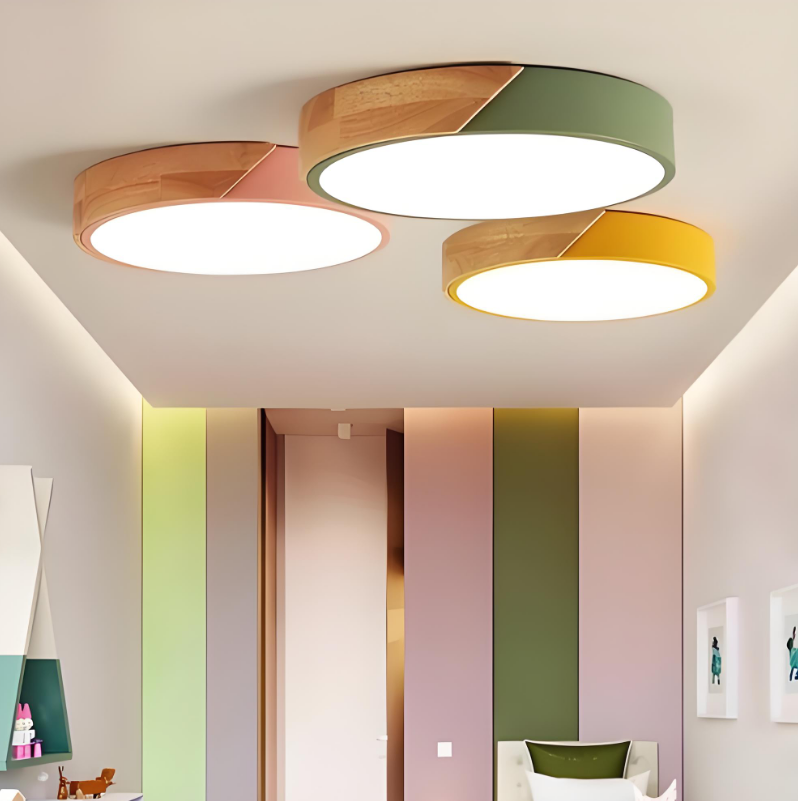
This is where the “ultra-thin” part really shines. Traditional light fixtures, especially those big, bulky fluorescent ones, can eat into your valuable headroom. If you’ve got a taller vehicle, or you’re working on something that requires you to stand up straight, every inch counts. Ultra-thin LEDs sit flush or nearly flush with your ceiling, preserving that precious vertical space and giving your garage a much cleaner, less cluttered look.
Longevity You Can Count On
Nobody enjoys constantly replacing light bulbs. LEDs are known for their impressive lifespan. We’re talking tens of thousands of hours of operation. This means less time on a ladder changing bulbs and more time actually using your garage for its intended purpose, whether that’s parking, working on projects, or storage.
Key Considerations When Choosing Your Ultra-Thin LEDs
Not all LED lights are created equal, and what works for a living room might not be ideal for a garage. Here are some practical factors to think about before you buy.
Brightness: How Many Lumens Do You Really Need?
This is perhaps the most crucial factor for a garage. Forget watts; focus on lumens. Lumens measure the actual light output. For a typical two-car garage, you’re going to want a good amount of light, especially if you do any detailed work.
- General Illumination: Aim for at least 50 lumens per square foot for basic garage activities.
- Work Areas: If you’re using a workbench or performing tasks that require precision, you might want to bump this up to 75-100 lumens per square foot, possibly with additional task lighting.
Don’t be afraid to go a bit brighter than you think you need; you can always add a dimmer later if it’s too much, but you can’t easily make a dim light brighter.
Color Temperature: Setting the Right Mood (for a Garage)
Color temperature, measured in Kelvins (K), describes how “warm” or “cool” the light appears. This isn’t just about aesthetics; it impacts how well you can see details.
- Warm White (2700K-3000K): Cozy, yellowish light. Great for living spaces, but generally not ideal for a garage where you need to see true colors and details.
- Cool White (3500K-4000K): A neutral white light, often found in offices. This is a good balance for many garages, offering clear visibility without being too harsh.
- Daylight White (5000K-6000K): Bright, bluish-white light that mimics natural daylight. This is often the preferred choice for garages, workshops, and areas where color accuracy and high visibility are important. It helps reduce eye strain when working on intricate tasks.
For most garages, aim for 4000K to 5000K.
IP Rating: Protection from Dust and Moisture
Garages aren’t always the cleanest or driest environments. Dust, moisture from outside, and even the occasional splash are possibilities. An IP (Ingress Protection) rating tells you how well a fixture is protected against solids (like dust) and liquids (like water).
- IP20: Basic protection against solid objects larger than 12.5mm (e.g., fingers). Not very resistant to dust or moisture.
- IP44: Protected against solid objects larger than 1mm and splashing water from any direction. A good minimum for most garages.
- IP65: Fully protected against dust and low-pressure water jets from any direction. Excellent for dusty or potentially damp garages.
Look for a fixture with at least an IP44 rating, and preferably IP65 if your garage is particularly dusty, prone to leaks, or you wash your car inside.
Dimming Capabilities: More Than Just On/Off
While not strictly necessary, dimmable lights offer flexibility. You might want full brightness for a project, but a lower setting for just grabbing something quickly or for security lighting. Make sure the lights you choose are explicitly labeled as “dimmable” and that you have a compatible dimmer switch.
CRI (Color Rendering Index): Seeing True Colors
CRI measures how accurately a light source renders colors compared to natural sunlight. A higher CRI (closer to 100) means colors will look more true-to-life. For a garage where you might be painting, matching colors, or even just admiring your car’s finish, a high CRI (80+) is beneficial. It helps prevent colors from looking washed out or distorted.
Installation: Prepping for a Brighter Garage
One of the great things about ultra-thin LED panels is that they are generally straightforward to install. However, a little preparation goes a long way.
Planning Your Layout
Don’t just randomly stick lights up. Think about how you use your garage.
- Overall Coverage: Aim for even light distribution across the entire space. Avoid dark spots, especially near walls or corners.
- Work Areas: If you have a workbench or a specific area where you do detailed work, consider placing lights directly above it, or adding supplemental task lighting.
- Ceiling Obstructions: Are there joists, pipes, or other things that might get in the way of a flush mount? Plan around them.
A good starting point is to divide your ceiling area into a grid and place lights evenly within that grid.
Recessed vs. Surface Mount
Ultra-thin LEDs generally come in two main installation types:
- Recessed Mount: These fit into a hole cut into your ceiling, sitting flush with the surface. This gives the cleanest, most integrated look. You’ll need sufficient ceiling cavity space above the drywall.
- Surface Mount: These sit directly on the surface of your ceiling, often with a mounting bracket. While not as “invisible” as recessed, they are much easier to install if you don’t want to cut holes or lack the ceiling cavity. Many ultra-thin panels are designed to be surface-mounted and still look very sleek.
Choose based on your aesthetic preference and the specifics of your ceiling.
Wiring Considerations
Unless you’re simply replacing an existing fixture with a similar one, you might need to run new wiring or modify existing wiring.
- Existing Fixture Replacement: If you’re swapping out an old fluorescent fixture, the wiring might already be there. Just make sure the new LED fixture is compatible with your existing electrical box and wiring.
- New Installation: For a brand new setup, you’ll need to run power to each fixture. This often involves tapping into an existing circuit. If you’re not comfortable with electrical work, it’s always best to consult or hire a qualified electrician. Safety first!
- Switches: Think about how you want to control your lights. A single switch for all lights is common, but you might want separate switches for different zones (e.g., general lighting vs. work area lights).
Tools You’ll Probably Need
- Drill
- Screwdriver set
- Wire strippers
- Voltage tester (crucial for safety!)
- Measuring tape
- Pencil
- Caulking gun (if sealing around fixtures)
- Safety glasses and gloves
Beyond the Basics: Advanced Features & Tips
Once you’ve got the essentials covered, there are a few extra things that can really enhance your garage lighting setup.
Motion Sensors: Hands-Free Convenience
Imagine walking into your garage with an armful of groceries, and the lights just come on. Motion sensors are fantastic for garages. They save energy by ensuring lights are only on when someone is present, and they add a layer of convenience. You can get fixtures with integrated motion sensors, or install separate sensor modules. Look for adjustable sensitivity and timer settings.
Smart Lighting Integration: Control from Your Phone
For those who love technology, smart LED panels can be integrated into your home automation system.
- App Control: Turn lights on/off, dim them, or even change color temperature from your smartphone.
- Voice Control: “Hey Google, turn on garage lights to 75%.”
- Schedules: Set lights to come on at dusk or turn off at a certain time.
While not strictly necessary for a garage, smart features can add significant convenience and control.
Diffusers: Spreading the Light Evenly
Most ultra-thin LED panels come with built-in diffusers, which are designed to spread the light evenly and reduce glare. A good diffuser makes the light source less harsh and creates a more comfortable environment. Avoid fixtures where you can clearly see individual LED chips, as these can cause uncomfortable glare.
Corner Placement and Wall Washing
Don’t forget about the edges of your garage. Placing lights too far from the walls can leave them in shadow. You might consider placing some fixtures closer to the perimeter, or even using specialized “wall washer” fixtures that direct light down the walls. This not only brightens the space but can also make it feel larger and more open. If you have shelves, consider placing lights directly in front of them to illuminate their contents.
Maintenance: Keeping Them Running Smoothly
LEDs are known for being low maintenance, but a little care can ensure they last their full lifespan.
- Dusting: Over time, dust can accumulate on the diffuser, reducing light output. A simple wipe-down with a damp cloth every now and then will keep them shining bright.
- Vents (if any): Some fixtures have small vents for heat dissipation. Ensure these aren’t blocked.
- Wiring Checks: Periodically check visible wiring for any fraying or damage, especially if your garage is subject to vibrations or extreme temperature changes.
Wrapping It Up: A Brighter, More Functional Garage Awaits
Upgrading your garage with ultra-thin LED ceiling lights isn’t just about getting brighter light; it’s about creating a more functional, energy-efficient, and visually appealing space. By focusing on factors like lumens, color temperature, and IP rating, and planning your installation thoughtfully, you can transform your often-neglected garage into a space you genuinely enjoy spending time in. It’s a practical improvement that pays dividends in convenience, energy savings, and overall utility.