
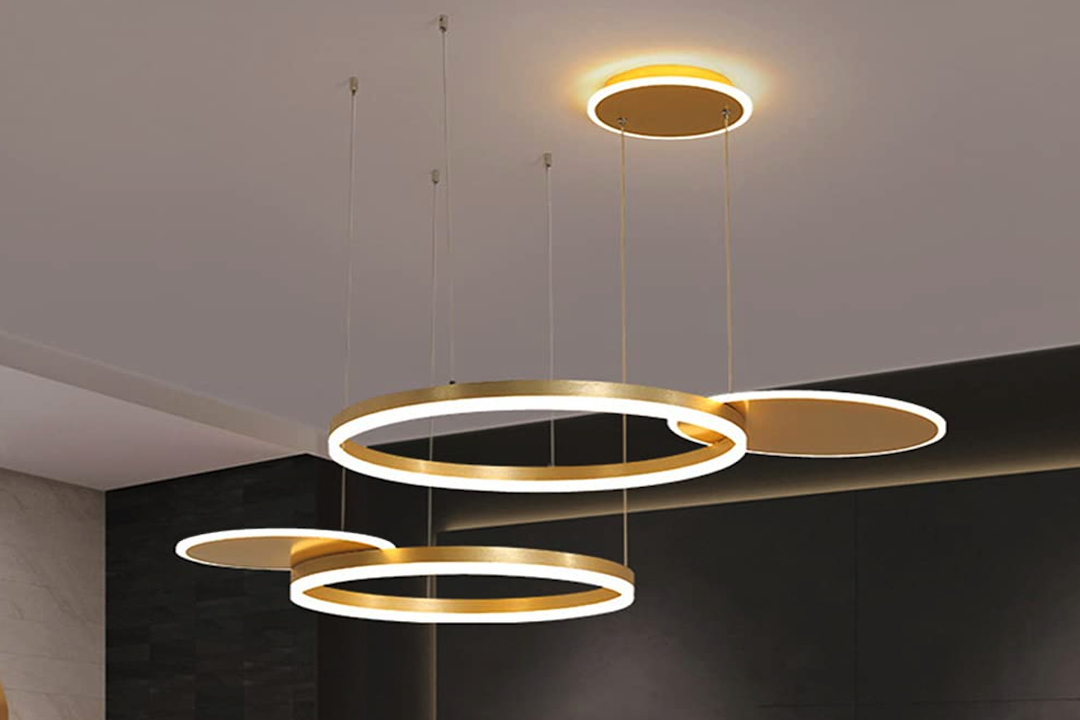
Let’s talk about those sleek, modern ring-shaped LED pendant lamps. You know the ones – they’re popping up everywhere, and for good reason. Essentially, they’re exactly what they sound like: a light fixture suspended from the ceiling, featuring a circular or ring-shaped structure that houses integrated LED lighting. They represent a significant shift in lighting design, moving away from traditional bulbs and shades towards a more integrated, minimalist aesthetic. If you’re looking for a clean, contemporary light source that doesn’t just illuminate but also elevates a space, these rings are probably on your radar.
It’s easy to see why these lamps have captured so much attention. They’re undeniably stylish. But their appeal goes deeper than just aesthetics.
A Design That Speaks Volumes (Quietly)
The primary draw is their minimalist nature. They don’t scream for attention; instead, they subtly enhance a room.
Decluttering the Visual Landscape
Unlike chunkier chandeliers or multiple downlights Garralighting, a single ring pendant offers a clean, uncluttered visual. This is particularly valuable in modern homes where less is often more. It allows other design elements to shine, rather than competing for dominance. Imagine a beautifully designed table – a busy light fixture above it would detract. A sleek ring simply highlights it.
Versatility in Style Integration
While they are inherently modern, their clean lines mean they can surprisingly blend with various interior styles. From industrial chic to Scandinavian simplicity, and even in some eclectic settings, a well-chosen ring pendant can feel right at home. The key is often in the finish and the overall scale. A brushed brass ring in an industrial loft will look different from a matte white one in a minimalist apartment, but both can work.
Efficiency and Longevity: The LED Advantage
Let’s not forget the practical side. The integrated LED technology isn’t just a trend; it’s a significant improvement over older lighting methods.
Lower Energy Consumption
LEDs consume significantly less power than incandescent or even fluorescent bulbs. This means lower electricity bills, which is always a welcome bonus. In a world increasingly focused on energy conservation, this is a major selling point. You get ample light without the accompanying worry of high energy usage.
Extended Lifespan
LEDs also boast an impressive lifespan. We’re talking tens of thousands of hours, which translates to years – often over a decade – of use before needing replacement. This reduces maintenance and the hassle of frequently changing bulbs, especially in hard-to-reach areas. It’s a set-it-and-forget-it kind of lighting.
Instant-On and Dimming Capabilities
Unlike some older lighting technologies, LEDs offer instant-on illumination at full brightness. There’s no warm-up time. Many ring pendants also come with dimming capabilities, allowing you to adjust the light output to suit different moods or tasks, creating incredible versatility for any given space.
Choosing the Right Ring: Size, Placement, and Light Output
Selecting the perfect ring pendant isn’t just about picking one you like the look of. There are practical considerations that will make or break its effectiveness in your space.
Understanding Scale and Size for Impact
The size of the ring needs to be proportionate to the room and the area it’s illuminating. Too small, and it’ll get lost; too large, and it’ll overwhelm.
Over a Dining Table
For a dining table, a good rule of thumb is that the diameter of the ring should be about half to two-thirds the width of the table. This ensures the light is evenly distributed over the eating surface without feeling top-heavy. Consider the shape of your table – a single large ring works well over a round or square table, while a series of smaller rings or an elongated ring might be better for a rectangular one.
In a Living Room or Open Space
In a larger living area or open-plan space, a single large ring can act as a stunning focal point. If the ceiling is high, you might even consider stacking multiple rings at different heights for a dramatic effect. For standard ceiling heights, a single, generously sized ring can provide ambient light and visual interest without overwhelming the space. Measure your room’s dimensions carefully and consult manufacturer guidelines for recommended hanging heights.
In a Bedroom or Entryway
For smaller spaces like entryways or bedrooms, a more modest-sized ring is usually appropriate. In a bedroom, it can provide ambient light, perhaps supplemented by bedside lamps. In an entryway, it creates a welcoming first impression. The key is to match the scale of the light fixture to the human scale of the space and the objects within it.
Placement Matters: Where to Hang Your Light
Where you hang the ring profoundly affects its function and aesthetic impact.
Centered for Balance
Often, the most straightforward approach is to center the pendant over a key area, like a dining table, a kitchen island, or a seating arrangement in a living room. This creates a sense of balance and anchors the space. However, “centered” doesn’t always mean in the exact middle of the room, but rather in the middle of the functional zone it’s meant to illuminate.
Off-Center for Visual Interest
Sometimes, an off-center placement can be more visually interesting, especially in minimalist designs. For instance, a ring pendant could be deliberately placed to illuminate an art piece or a specific corner, creating a design statement rather than just practical illumination. This requires a more confident hand in interior design, but it can yield stunning results.
Height Adjustment: The Goldilocks Zone
The height at which you hang the pendant is crucial. Too high, and it feels disconnected; too low, and it becomes a head-banger or obstructs views.
- Over a dining table or island: A general guideline is to hang the bottom of the pendant between 30 and 36 inches above the surface. This allows for clear sightlines across the table and prevents glare in people’s eyes.
- In an open living space: Aim for enough clearance so that people of average height can walk underneath without feeling cramped. Generally, the bottom of the fixture should be at least 7 feet from the floor. For very high ceilings, you might go higher to maintain proportion.
Light Output and Color Temperature: Setting the Mood
LEDs offer flexibility in both brightness (lumens) and color temperature (Kelvin), which significantly impacts the mood of a room.
Lumens: How Much Light Do You Need?
Lumens measure brightness. Think about the function of the room. A kitchen or task area generally requires higher lumens (brighter light) than a bedroom or a cozy living room. Many ring pendants offer significant lumen output, often sufficient to be the primary light source in a room. Check the specifications for the total lumen output of the fixture.
Kelvin (K): Warm, Neutral, or Cool?
Color temperature is measured in Kelvin (K):
- Warm white (2700K-3000K): Similar to incandescent bulbs, it creates a cozy, inviting atmosphere. Ideal for bedrooms, living rooms, and dining areas where relaxation is key.
- Neutral white (3500K-4000K): A good all-rounder, offering a balanced light that’s neither too yellow nor too blue. Suitable for kitchens, offices, and bathrooms where good visibility is important but you don’t want harsh, clinical light.
- Cool white/Daylight (5000K-6500K): Mimics natural daylight, promoting alertness and visual clarity. Best for task-oriented areas like home offices, workshops, or utility rooms. Most residential applications lean towards warm or neutral white.
Some advanced ring pendants even offer tunable white technology, allowing you to adjust the color temperature to suit the time of day or your current mood, which is incredibly versatile.
Installation and Maintenance: What to Expect
While the installation for these fixtures generally isn’t more complex than any other pendant, understanding the basics and long-term care is helpful.
Professional vs. DIY Installation
For most homeowners, especially if you’re replacing an existing fixture, DIY installation of a ring pendant is possible if you’re comfortable with basic electrical work. However, there are a few considerations.
Safety First: Always Turn Off Power
Before touching any wiring, turn off the power to the circuit at your main electrical panel. This isn’t a suggestion; it’s a non-negotiable safety step. Test the wires with a non-contact voltage tester to ensure they are truly dead.
Weight and Mounting Hardware
Some larger ring pendants can be surprisingly heavy. Ensure your junction box can support the weight, or that you use appropriate mounting hardware that fastens securely to a ceiling joist or uses a heavy-duty anchor. Always check the manufacturer’s instructions regarding weight capacity and mounting.
Wiring Connections
The wiring is similar to any standard light fixture: connect the live (hot), neutral, and ground wires. If the fixture is dimmable, ensure your wall dimmer switch is compatible with LED lighting. Older incandescent dimmers often won’t work correctly with LEDs and can lead to flickering or damage.
When to Call an Electrician
If you’re unsure about any step, if your electrical box seems old or damaged, if you’re installing a new circuit, or if the fixture is particularly heavy or complex, it’s always best to call a licensed electrician. It’s a small investment for peace of mind and safety. Never cut corners with electricity.
The Beauty of Low Maintenance
One of the great benefits of integrated LED lighting is its remarkably low maintenance requirements.
No Bulb Changes
Because the LEDs are integrated and have such a long lifespan, you won’t be climbing a ladder to change bulbs every few months or years. This is a huge convenience, especially for high ceilings or hard-to-reach fixtures. The light engine is designed to last the life of the fixture.
Simple Cleaning
Typically, all that’s needed to keep your ring pendant looking its best is a periodic dusting with a soft, dry cloth. If it gets a bit grimy, a slightly damp cloth with mild soap (avoiding harsh chemicals) can be used, ensuring it’s completely dry afterward. Avoid abrasive cleaners or sponges that can scratch the finish.
Longevity Expectations
Most modern LED ring pendants are designed to last 25,000 to 50,000 hours or more. If used for 4-6 hours a day, that translates to well over a decade of use. So, once installed, you can largely forget about it and simply enjoy the light.
Beyond the Basic Ring: Exploring Variations
While the clean, single-ring design is a classic, the market offers plenty of variations to suit different tastes and needs.
Multi-Ring and Intersecting Designs
Designers often play with multiple rings, creating dynamic and artistic installations.
Cascading Rings
Several rings of varying sizes can be suspended at different heights, creating a cascading effect. This is particularly striking in entryways with high ceilings or over grand staircases, offering a sculptural element in addition to illumination.
Intersecting and Geometric Shapes
Some designs feature interlocking rings or rings that intersect to form more complex geometric shapes. These are highly artistic and become a central focal point in a room, almost like a piece of hanging sculpture. They can add a touch of architectural drama to a contemporary space.
Finishes and Materials: Customizing the Look
The finish of the ring dramatically influences its overall aesthetic.
Classic Metals
- Matte Black: A contemporary staple, offering a bold contrast and a sophisticated, industrial-leaning look.
- Brushed Nickel/Chrome: Adds a sleek, modern, and often subtly reflective quality, fitting well in grey or monochromatic schemes.
- Brass/Gold (Brushed or Polished): A popular choice for adding a touch of warmth and elegance, bridging the gap between modern and classic styles. It can feel luxurious without being ostentatious.
- White: Blends seamlessly into bright, airy spaces, often disappearing against a white ceiling for a truly minimalist effect.
Unique Materials
While most are metal, some avant-garde designs incorporate other materials.
- Acrylic Diffusers: Most LEDs are covered by an acrylic diffuser to soften the light. These can sometimes be integrated into the design to create interesting light effects.
- Wood Accents: Occasionally, you’ll find rings with wooden inlays or accents, introducing natural warmth and texture to the modern form. These can work beautifully in Scandinavian or Japandi-inspired interiors.
Smart Lighting Integration: The Future is Here
Many modern ring pendants now come with smart features or are compatible with smart home systems.
App and Voice Control
Advanced models can be controlled via a smartphone app or voice assistants like Alexa or Google Assistant. This allows for seamless dimming, on/off control, and sometimes even color temperature adjustments from anywhere in your home.
Scheduling and Automation
You can set schedules for your lights to turn on or off automatically, or integrate them into smart home routines. Imagine your lights gently brightening to wake you up, or dimming as you prepare for bed. This adds a layer of convenience and energy efficiency.
Tunable White and RGB Options
Some high-end ring pendants offer “tunable white” LEDs, allowing you to shift the color temperature from warm to cool white. Others include RGB (red, green, blue) LEDs, providing millions of color options to create specific moods or artistic lighting effects for parties or special occasions. This level of customization truly transforms the potential of a light fixture.
In essence, modern ring-shaped LED pendant lamps are more than just a passing trend. They represent a blend of minimalist aesthetics, energy efficiency, and functional versatility that makes them a compelling choice for contemporary interiors. Whether you’re looking for subtle illumination, a dramatic statement, or a smart lighting solution, there’s likely a ring pendant out there that fits the bill. It’s about bringing light into a space in a way that feels intentional, sophisticated, and utterly modern.