
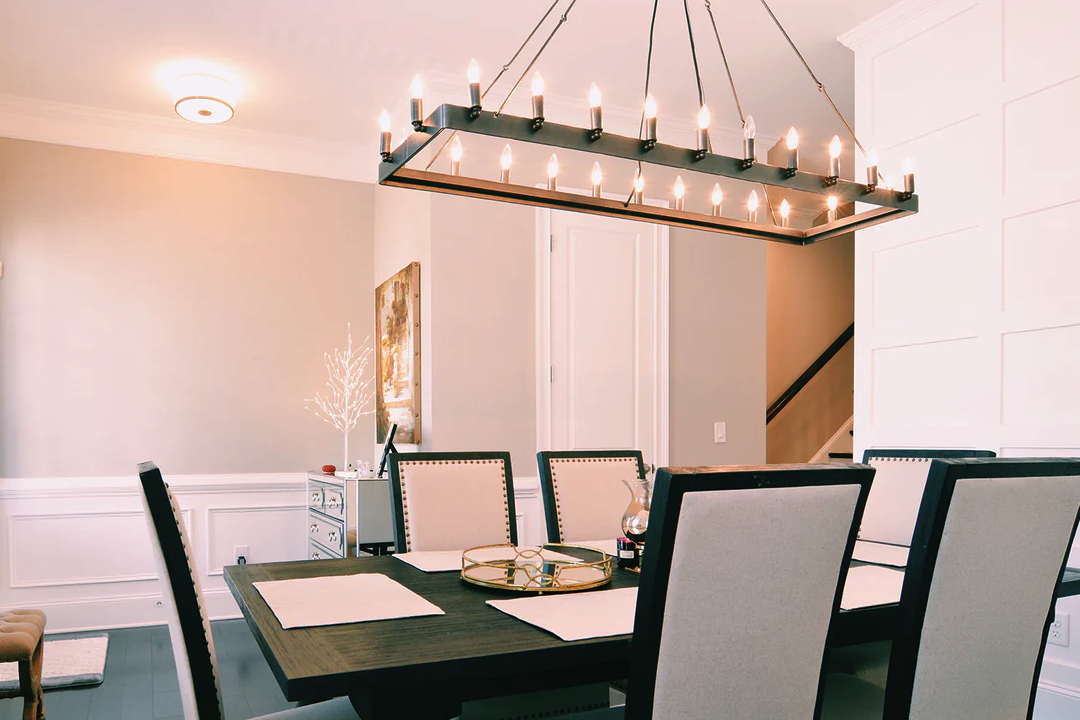
So, you’re thinking about adding a Tuscan iron chandelier to your dining room? That’s a fantastic idea! These fixtures aren’t just sources of light; they’re character pieces that can truly transform your dining space into a warm, inviting, and elegantly rustic haven.
The short answer is: yes, a Tuscan iron chandelier can absolutely elevate your dining room. It brings a sense of old-world charm, a touch of hand-crafted artistry, and a definite feeling of substance and history. If you’re aiming for a cozy, sophisticated, and distinctly Italian-inspired aesthetic, this is a perfect way to go.
Embracing the Tuscan Aesthetic in Your Dining Room
The Tuscan style isn’t about pretentiousness; it’s about warmth, natural materials, and a connection to the land. Think rolling hills, sun-drenched vineyards, and centuries-old farmhouses. When you bring a Tuscan iron chandelier into your dining room, you’re not just hanging a ligh Foremoon; you’re evoking that feeling. It’s about creating a space where meals are savored, conversations flow, and every gathering feels special.
What Exactly Is Tuscan Style?
When we talk about “Tuscan style” in interior design, we’re usually referencing the aesthetic found in the rural regions of Tuscany, Italy. Key elements include:
- Natural Materials: Wood, stone, terracotta, and of course, wrought iron.
- Earthy Color Palettes: Warm browns, terracotta reds, olive greens, creamy whites, and muted yellows.
- Rustic Textures: Think rough plaster walls, exposed beams, and hand-finished surfaces.
- A Sense of History: An appreciation for antiques, handcrafted items, and a lived-in feel.
- Focus on Comfort and Connection: A dining room in this style is designed for gathering and enjoying good company.
Why a Tuscan Iron Chandelier Fits Seamlessly
The iron chandelier is a cornerstone of this aesthetic. It’s a material that has been used for centuries to create functional yet beautiful objects. In a Tuscan context, the iron is often:
- Hand-Forged: Showing the marks of the artisan, giving it a unique character.
- Dark and Patinated: Often finished in black, oil-rubbed bronze, or a deep rust, the iron complements the earthy tones of Tuscan decor.
- Intricate or Simple: Depending on the specific piece, it can feature delicate scrollwork, leaf motifs, or a more robust, straightforward design.
The Charm of Hand-Forged Wrought Iron
The beauty of a Tuscan iron chandelier lies in its material and how it’s worked. Wrought iron, unlike cast iron, is much more malleable, allowing for intricate designs and graceful curves. This is where the “hand-forged” aspect truly shines.
The Artisan’s Touch
When you choose a hand-forged iron chandelier, you’re investing in a piece that carries the story of its creation.
- Subtle Imperfections: No two hand-forged pieces are exactly alike. Slight variations in texture, hammer marks, or the way the metal bends are not flaws; they are hallmarks of its artisanal origin.
- Durability and Longevity: Wrought iron is incredibly strong and built to last. These chandeliers are often heirlooms in the making.
- Versatility in Design: From grand, sprawling pieces with multiple arms to more modest, single-bulb fixtures, the forging process allows for a wide range of styles to suit different dining room sizes and decor.
Finishes That Enhance the Tuscan Feel
The finish on your iron chandelier plays a crucial role in achieving the desired Tuscan look.
- Black or Oil-Rubbed Bronze: These classic choices offer a deep, rich hue that anchors the space and pairs beautifully with wood and stone. They tend to feel sophisticated and timeless.
- Antiqued Gold or Aged Brass Accents: Some designs incorporate subtle touches of these warmer metals. They can add a hint of understated opulence and catch the light beautifully.
- Rust or Patina Finishes: For a more distinctly rustic or farmhouse feel, an intentionally aged or rusted finish can be incredibly evocative. This look speaks to the weathered beauty of old Tuscan buildings.
Choosing the Right Size and Scale for Your Dining Room
One of the most important practical considerations is selecting a chandelier that’s the right size for your dining room and table. Too small, and it will look lost. Too large, and it can overwhelm the space.
The “Rule of Thumb” for Chandelier Size
While not a strict law, there are some helpful guidelines to get you started:
- Measure Your Room: A general guideline is to add the length and width of your dining room in feet. The resulting number in inches is a good diameter for your chandelier. For example, a 10ft x 12ft room would suggest a chandelier around 22 inches in diameter.
- Consider Your Table: The chandelier should generally be about two-thirds the width of your dining table. This creates a balanced visual.
- Height Matters: The bottom of the chandelier should hang about 30-36 inches above your dining table. This allows for comfortable seating and unobstructed views across the table, while still being low enough to feel intimate.
Tuscan Chandelier Styles by Scale
Tuscan iron chandeliers come in a variety of designs that can suit different scales.
- For Smaller Rooms and Tables: Look for simpler, more streamlined designs. A wagon wheel style with a few bulbs, or a linear fixture with a single tier of lights, can provide ample light without dominating the space. These often have fewer arms and a less elaborate design.
- For Larger Rooms and Tables: This is where the more dramatic, multi-tiered chandeliers with extensive scrollwork and numerous bulbs can truly shine. A grand, sprawling piece can become the undisputed focal point of a spacious dining room.
Integrating Your Tuscan Chandelier with Other Elements
A chandelier doesn’t exist in isolation. To achieve a truly cohesive Tuscan dining room, you’ll want to tie it into the rest of your decor.
Complementing Furniture and Materials
The materials and style of your chandelier should harmonize with your dining furniture.
- Wood Tones: Tuscan iron pairs exceptionally well with warm wood furniture, whether it’s a substantial farmhouse table or a more refined refectory table. The dark iron creates a pleasing contrast with the natural wood grain.
- Stone and Tile Accents: If you have stone floors, a terracotta tile accent, or a stone fireplace in or near your dining area, the iron chandelier will naturally fit into this material palette.
- Upholstery and Textiles: Consider how the chandelier’s finish will interact with your chair upholstery. A deep iron can beautifully complement earthy-toned fabrics like linen, leather, or muted damask.
Lighting Layers for Ambiance
While the chandelier is your primary light source, think about creating layers of light for different moods and functions.
- Wall Sconces: Iron wall sconces, perhaps with candle-style bulbs or a similar scrollwork motif, can flank doorways or highlight artwork, adding a warm glow and extending the Tuscan theme.
- Table Lamps: A small lamp on a sideboard or buffet can provide task lighting or a soft accent light during intimate dinners or when the main chandelier is dimmed.
- Dimmer Switches: Absolutely essential! A dimmer allows you to control the mood of your dining room, from bright and functional for everyday meals to dim and romantic for special occasions.
Practical Considerations: Installation and Maintenance
Like any lighting fixture, there are practical aspects to think about before and after you bring your Tuscan iron chandelier home.
Installation: Safety First
- Check Ceiling Support: Wrought iron chandeliers can be heavy. Ensure your ceiling joist can support the weight. Your electrician will be able to advise on this.
- Professional Installation Recommended: Unless you have significant electrical and DIY experience, it’s best to have a qualified electrician install your chandelier. This ensures it’s wired correctly and safely, and they can manage the weight properly.
- Wiring and Box Type: The existing electrical box in your ceiling needs to be suitable for the weight and wiring of a chandelier. Sometimes an upgrade might be necessary.
Cleaning and Care for Longevity
The good news is that wrought iron is generally low-maintenance.
- Dusting: Regular dusting with a soft, dry cloth is usually all that’s needed to keep it looking good.
- Occasional Cleaning: For any grime build-up, a slightly damp cloth (water only, or with a very mild, non-abrasive soap) can be used. Be sure to dry it thoroughly afterward to prevent water spots or rust.
- Avoid Harsh Chemicals: Steer clear of abrasive cleaners or harsh chemicals, as these can damage the finish.
- Bulb Replacement: When replacing bulbs, ensure the fixture is turned off and has cooled down. Choose bulbs that complement the style – Edison-style filament bulbs often enhance the vintage Tuscan look.
Ultimately, a Tuscan iron chandelier for your dining room is a statement piece that offers both beauty and function. It’s about embracing a style that prioritizes warmth, authenticity, and the joy of shared meals. By considering the aesthetic, the materials, the scale, and the practicalities, you can select a chandelier that will be a cherished focal point for years to come.