
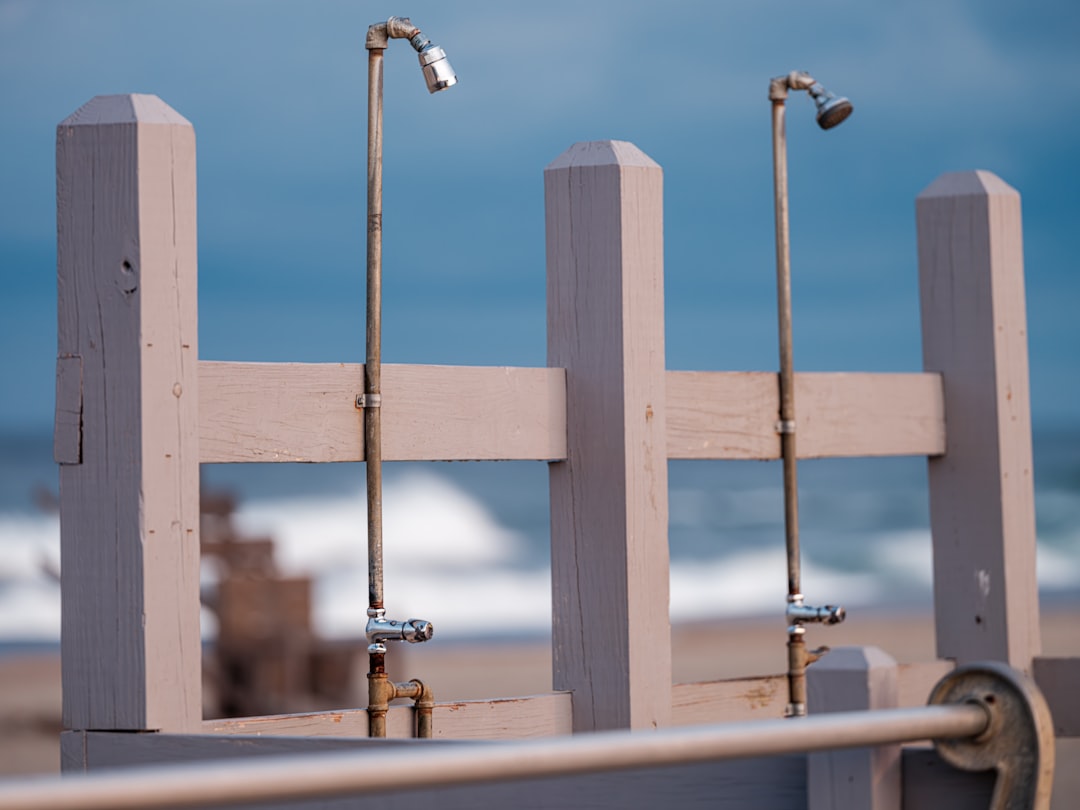
Modern coastal lighting, at its heart, is about evoking the tranquility and natural beauty of the seaside without resorting to tired clichés. While rope and shell-encrusted fixtures once dominated, today’s approach embraces a more sophisticated, nuanced interpretation, focusing on natural materials, organic forms, and subtle nods to the ocean. It’s about creating a relaxed, airy atmosphere that feels both refined and welcoming.
The journey of coastal interior design has been a fascinating one. For a long time, “coastal” conjured images of seashell collections, distressed white furniture, and a heavy reliance on navy and white stripes. While charming in its own way, it often lacked depth and sophistication.
Moving Beyond the Obvious
The shift towards “modern coastal” signifies a maturity in design. It’s a recognition that the coast offers so much more than just a specific color palette or a handful of motifs. It’s about the feeling – the light, the air, the organic textures, and the sense of calm. This evolution directly impacts lighting choices. Instead of purely decorative, novelty pieces, modern coastal lighting is integrated, functional, and contributes to the overall aesthetic in a more understated way.
The Influence of Minimalism and Biophilic Design
Two major design trends have significantly influenced modern coastal lighting: minimalism and biophilic design. Minimalism, with its focus on clean lines, decluttering, and purposeful design, encourages lighting fixtures that are beautiful yet unobtrusive. Biophilic design, which emphasizes connecting indoor spaces with the natural world, champions the use of natural materials and forms that mimic nature, perfectly aligning with the essence of coastal living.
Embracing Natural Materials: Texture and Authenticity
The hallmark of modern coastal lighting is its reliance on natural materials. These materials not only add visual interest but also bring an authentic, tactile quality to a space, mirroring the organic textures found in nature.
Woven Wonders: Rattan, Wicker, and Jute
Gone are the days when woven fixtures felt overly casual or limited to outdoor spaces. Today, rattan, wicker, and jute are elevated, taking on sculptural forms and intricate weaves that are both elegant and relaxed.
The Appeal of Open Weaves
Open-weave designs are particularly popular. They allow light to filter through in interesting patterns, creating a play of light and shadow that mimics dappled sunlight through trees. This also prevents the fixtures from feeling heavy or visually dominant in a room, maintaining that coveted airy feel.
Versatility in Form
From oversized pendant lights that become a focal point in a dining room to more delicate wall sconces in a hallway, woven materials offer incredible versatility. They can be stained or left in their natural tones, providing warmth and texture without overwhelming the space. Consider a large, bell-shaped rattan pendant over a kitchen island, or a pair of woven wall sconces flanking a bed.
The Warmth of Wood: Driftwood and Light Tones
Wood, especially in light, weathered, or bleached tones, is another cornerstone of modern coastal lighting. It brings a grounded, earthy element that contrasts beautifully with lighter textiles and reflective surfaces.
Organic Shapes and Sculptural Forms
Think beyond traditional turned wood. Modern coastal design often incorporates wood in its more natural, organic state, such as artfully arranged driftwood or fixtures with a distinctly handcrafted feel. A chandelier crafted from reclaimed wood, with its inherent imperfections and unique grain, can be a stunning focal point.
Integration with Other Materials
Wood also pairs exceptionally well with other natural materials like linen, glass, or even metal. A wooden base on a table lamp with a simple linen shade exemplifies this effortless combination, adding both warmth and a touch of rustic charm.
The Beauty of Glass: Transparency and Reflection
Glass plays a crucial role in modern coastal lighting, primarily due to its ability to capture and reflect light, mimicking the shimmer of water.
Seeded and Textured Glass
Clear, seeded, or subtly textured glass diffusers are preferred over opaque options. Seeded glass, with its tiny air bubbles, adds a subtle visual interest and diffuses light beautifully, creating a soft, inviting glow.
Organic and Spherical Shapes
Shapes that evoke natural elements, like smooth river stones or water droplets, are popular. Spherical glass pendants, either singular or in clusters, are a perfect example, bringing a sense of fluidity and elegance to a space.
Form and Function: Beyond the Decorative
Modern coastal lighting emphasizes both aesthetics and practicality. Fixtures are chosen not just for how they look but also for how they illuminate a space, contributing to the overall ambiance.
Understated Elegance: Clean Lines and Simple Silhouettes
The “less is more” philosophy is very much at play. Fixtures tend to feature clean lines, simple silhouettes, and an absence of excessive ornamentation. This allows the materials to speak for themselves and ensures the lighting integrates seamlessly rather than competing with other design elements.
Avoiding Overly Ornate Designs
Steer clear of fussy or overly decorative fixtures. The goal is to evoke a sense of calm and clarity, and elaborate designs can detract from this. Think sleek and refined rather than elaborate.
The Power of Repetition
Sometimes, the most impactful lighting scheme involves a series of identical or complementary fixtures. A row of simple, identical pendants over a long dining table or a series of matching wall sconces along a corridor can create a powerful visual statement while maintaining a sense of understated elegance.
Layered Lighting: Ambiance and Practicality
Effective lighting design relies on layering different types of light to achieve both functionality and mood. This is particularly important in modern coastal spaces, where the goal is to create a serene and inviting atmosphere.
Ambient Lighting: The Foundation
Ambient lighting provides the general illumination for a room. In a modern coastal scheme, this might come from a large, diffused pendant, recessed lighting, or flush-mount fixtures. The key is a soft, even glow that avoids harsh shadows.
Task Lighting: Purposeful Illumination
Task lighting is crucial for specific activities. This could include table lamps for reading, under-cabinet lighting in a kitchen, or picture lights to highlight artwork. Look for task lighting that blends seamlessly with the overall design, such as a sleek metal desk lamp or a wall-mounted reading light with a simple form.
Accent Lighting: Highlighting and Creating Drama
Accent lighting is used to draw attention to specific features or to create dramatic effects. Uplights highlighting a textured wall, or small spotlights on a piece of art, can add depth and interest to a room. In a modern coastal space, this might involve illuminating a collection of unique shells or a natural wood sculpture.
Color Palette: Inspired by Nature’s Hues
The color palette for modern coastal lighting is directly inspired by the natural environment – the soft blues of the ocean, the muted greens of coastal flora, the sandy beiges of the beach, and the crisp whites of sea foam.
Muted Blues and Greens: Serenity and Calm
While not always present in the fixture itself, the influence of these colors is felt in the overall room design. When choosing a fixture that incorporates color, opt for muted, desaturated tones.
Subtle Hues for Shades
If a lamp shade is colored, choose a pale, dusty blue or a soft, seafoam green. These colors evoke the ocean without being overly bright or distracting.
Ceramic or Glazed Finishes
Consider lamps with ceramic bases in subtle, watery blues or greens, or even a muted gray that mimics storm clouds or pebbles. The slight variation in glaze can add an organic feel.
Warm Neutrals: Sand, Driftwood, and Linen
Warm neutrals form the backbone of modern coastal design and lighting. These colors provide a calming, earthy foundation.
The Versatility of White and Off-White
Crisp white and various shades of off-white are quintessential. They reflect light, making spaces feel larger and airier, and provide a clean backdrop for natural textures. White linen shades are a timeless choice.
Earthy Tones in Fixture Finishes
Finishes like brushed brass, matte black, or even a soft bronze can complement these neutrals beautifully, adding a touch of sophistication without feeling overly ornate. These finishes can mimic the subtle gleam of wet sand or weathered metal.
Beyond the Obvious: Unexpected Coastal Touches
To truly elevate modern coastal lighting, it’s about incorporating subtle, often unexpected, elements that nod to the seaside without being literal.
Sculptural Forms: Mimicking Nature
Look for fixtures that mimic organic forms found in nature – the curve of a wave, the spiral of a shell, the branch of a tree, or the fluid movement of water. These abstract interpretations add a sophisticated layer to the coastal aesthetic.
Asymmetrical and Organic Shapes
Rather than perfectly symmetrical designs, consider fixtures with slight irregularities or organic, free-flowing shapes. A pendant lamp that subtly resembles a sea urchin or a chandelier with branches that mimic coral formations can be incredibly striking.
Using Negative Space
Some modern designs utilize negative space to create a sense of lightness and openness, much like the vastness of the ocean. Think open-frame metal fixtures or designs where the light source is cleverly concealed within a sculptural element.
Metallic Accents: Understated Shine
While natural materials dominate, judicious use of metallic accents can add a touch of refined elegance. The key is subtlety and avoiding anything overtly shiny or flashy.
Brushed Finishes
Brushed brass, matte black, or soft bronze are ideal. These finishes provide a warm glow or a sophisticated contrast without being overly reflective. They can evoke the subtle gleam of distant water or weathered boat hardware.
Minimalist Frames and Bases
Metallic elements are best used in minimalist frames, slender arms, or simple bases for lamps. A pendant with a simple brushed brass cap and a large, natural linen shade exemplifies this approach – the metal is present but doesn’t dominate.
The Power of Simplicity: Less Is More
Ultimately, modern coastal lighting champions simplicity. It’s about creating a serene, sophisticated environment that feels effortlessly connected to the beauty of the coast, achieved through thoughtful material choices, clean lines, and purposeful illumination. By moving beyond the literal and embracing a nuanced approach, you can create a truly timeless coastal haven.