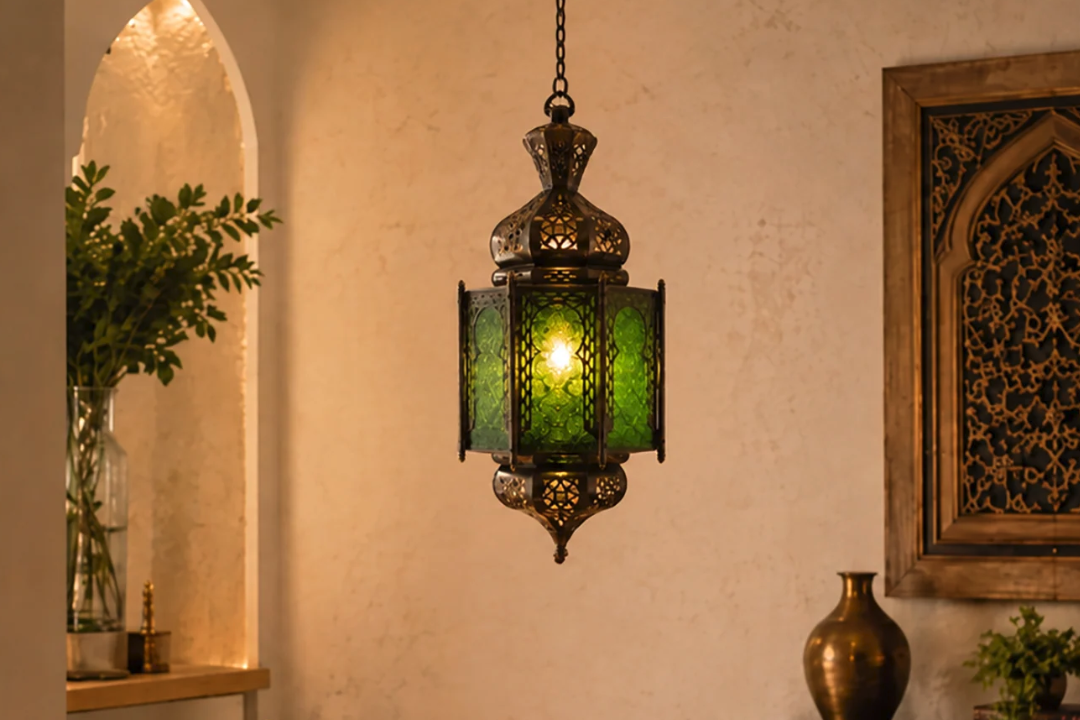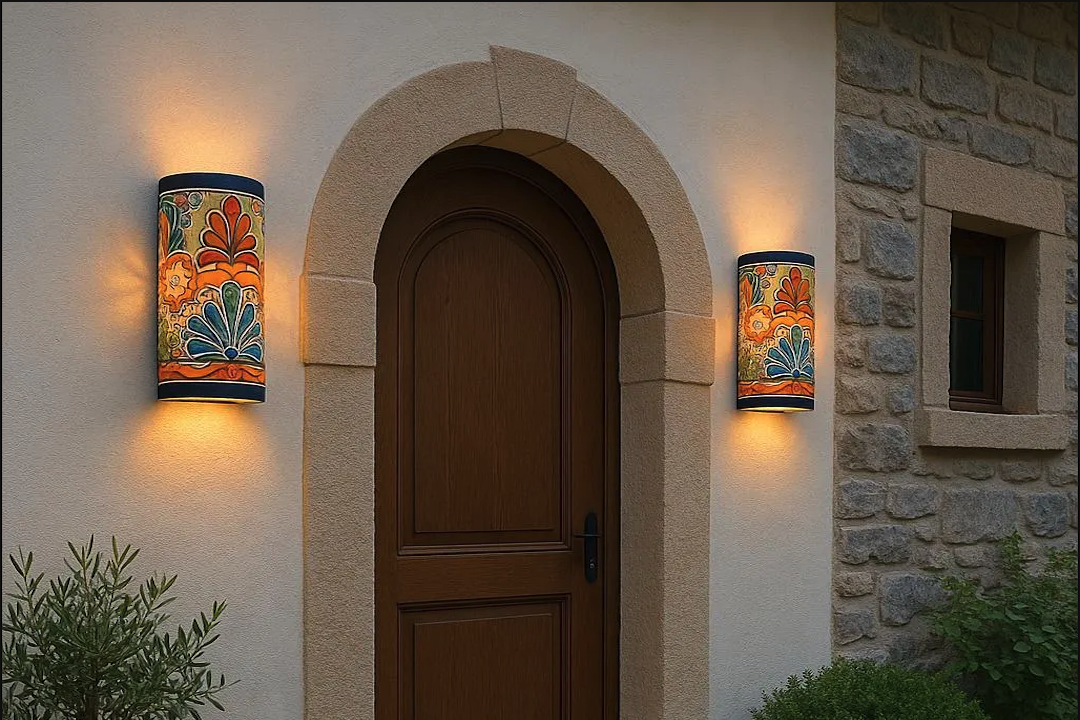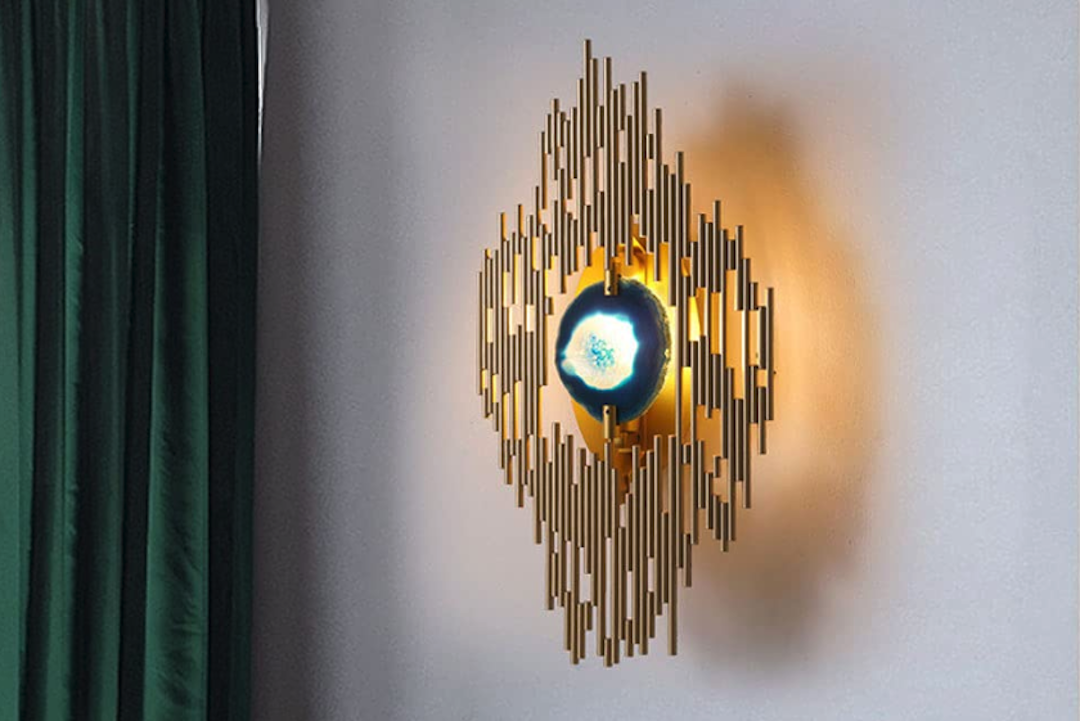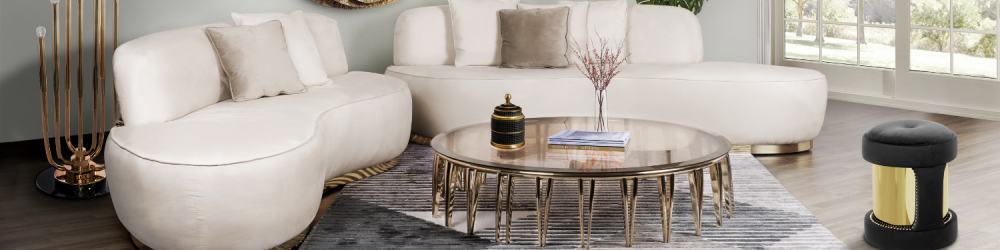

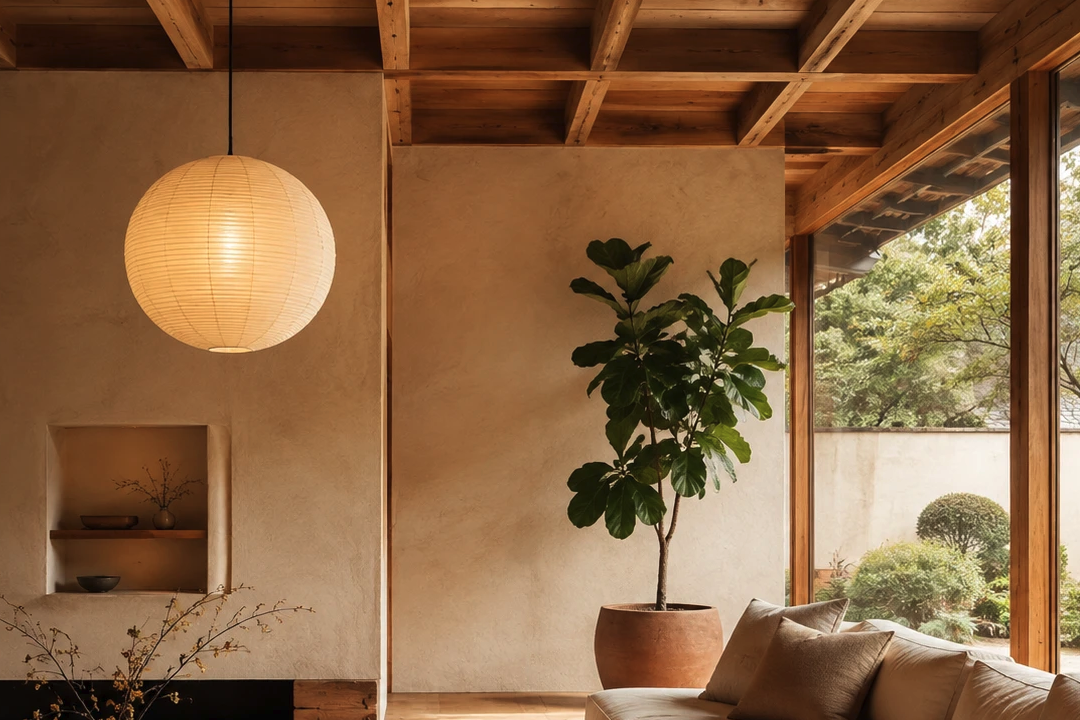
So, you’ve been hearing about “Dark Japandi” and “Bronze and Smoke” for your lighting, and you’re wondering what that actually means and if it’s for you. Let’s break it down. Essentially, Dark Japandi lighting is about creating a mood that’s sophisticated, grounding, and a little bit mysterious, all while channeling the minimalist, nature-inspired essence of Japanese design and the cozy, functional warmth of Scandinavian style. Think less stark white and more deep, rich tones, with materials that feel earthy and a touch dramatic. It’s about bringing the outside in, but in a contemplative, almost hushed way. It’s a departure from brighter, more conventionally ‘welcoming’ palettes, opting instead for a sense of sanctuary and calm that can be incredibly inviting. It’s not about darkness for darkness’s sake, but about using shadow and material to build a richer, more nuanced atmosphere.
The Essence of Dark Japandi Lighting
At its core, Dark Japandi lighting Hozo is an evolution of the popular Japandi aesthetic. Where traditional Japandi often leans towards lighter woods, neutral tones, and airy spaces, Dark Japandi embraces depth. It’s like taking that familiar comfort and adding a layer of sophisticated intrigue.
What Makes it “Dark”?
The “dark” in Dark Japandi isn’t about making your home feel like a cave. Instead, it’s about using a palette that includes deeper colors – think charcoal grays, muted forest greens, deep blues, and rich, earthy browns. These colors are often paired with the characteristic natural materials of Japandi, but in their more mature, subdued forms.
The Role of Bronze and Smoke
This is where the “Bronze and Smoke” element really comes into play.
Bronze as a Material
Bronze, with its warm, aged patina, adds a luxurious yet grounded feel. It’s not a flashy gold; it’s a metal that speaks of history and craftsmanship. In lighting, this translates to fixtures with a rich, often matte finish that catches the light in subtle ways, adding depth and texture without being overbearing.
The “Smoke” Element
“Smoke” refers to the interplay of light and shadow, and the use of materials that have a smoky, diffused quality. This can come from:
- Textured or Frosted Glass: Lampshades or diffusers made from frosted, smoked, or even subtly tinted glass soften light, creating a gentle glow rather than a harsh beam.
- Darker Finishes: Fixtures with matte black, charcoal, or deep bronze finishes contribute to the smoky, understated feel.
- Layering of Light: The concept of “smoke” also extends to how different light sources are layered to create depth and dimension.
Bringing Bronze and Smoke into Your Home
Incorporating this style isn’t about a complete overhaul. It’s about thoughtful additions and adjustments that can significantly change the mood of your space.
Selecting the Right Fixtures
The key is to choose fixtures that embody the Dark Japandi principles.
Statement Pieces
Think of a pendant light over a dining table or a floor lamp in a reading nook. These are opportunities to make a statement. Look for designs that are simple and sculptural, with clean lines but also rich materiality. A brushed bronze pendant with a smoked glass shade, for instance, can be a perfect centerpiece.
Ambient and Task Lighting
Don’t forget the smaller lights that create layers. Table lamps with ceramic bases in deep, matte glazes, or wall sconces with dark metal frames and diffused shades, are excellent for filling out the scheme.
Material Choices Beyond Metal
While bronze is a star, other materials play a crucial role in the Dark Japandi palette.
Natural Textures
- Wood: Look for darker woods like walnut, ebonized oak, or even reclaimed wood. The grain should be visible, adding organic texture.
- Stone: Dark, honed stones like slate or basalt can be incorporated into lamp bases or even wall panels for a grounding effect.
- Ceramics and Terracotta: Matte, unglazed ceramics or deep, earthy glazes can add a tactile, artisanal quality.
Fabric and Upholstery
For shades and soft furnishings, consider natural fibers like linen or wool in deep, muted tones. The texture of the fabric itself can contribute to the ‘smoky’ effect by diffusing light and adding visual interest.
The Psychology of Dark Japandi Lighting
There’s a reason why this style resonates. It taps into a deep human need for comfort, sanctuary, and a connection to nature.
Creating a Sense of Calm and Intimacy
The use of dimmer, warmer light and deeper colors can significantly reduce visual clutter and create a more peaceful environment. This is especially important in our often over-stimulated modern lives.
Reducing Sensory Overload
Bright, stark lighting can be jarring. Dark Japandi lighting aims to soothe the senses. By lowering the overall brightness and focusing on diffused light, you can create a more relaxing atmosphere.
Encouraging Reflection and Connection
A dimly lit space can encourage quieter activities – reading, conversation, contemplation. It fosters a sense of intimacy that brighter spaces can sometimes dilute.
The Connection to Nature
Even with its darker palette, Dark Japandi lighting maintains a strong connection to the natural world.
Evoking Twilight and Forest Depths
The colors and materials often mimic those found in nature during twilight or in the shade of a dense forest. Think of the deep greens of moss, the rich browns of damp earth, and the muted glow of a sunset.
Bringing the Outdoors In, Subtly
Instead of vibrant, sun-drenched scenes, Dark Japandi brings in the more contemplative, tranquil aspects of nature. This can be incredibly grounding.
Practical Application: Lighting Layers in a Dark Japandi Space
Achieving the Dark Japandi look is all about layering your lighting. This ensures functionality without sacrificing atmosphere.
Ambient Lighting: The Foundation
This is the general illumination of your room. In Dark Japandi, this means avoiding a single, harsh overhead light.
Dimmer Switches are Your Best Friend
Seriously, invest in dimmer switches for every light source. This gives you ultimate control over the mood.
Recessed Lighting with a Soft Touch
If you have recessed lights, consider using them sparingly and with a frosted or diffused cover. Aim them at walls rather than directly down.
Indirect Lighting with Pendants
Pendant lights can be excellent for ambient lighting if they are designed to cast light downwards and outwards softly, rather than directly into your eyes. Think of pendants with dark shades or those that diffuse light through textured materials.
Task Lighting: For Functionality
This is where you illuminate specific areas for activities like reading, cooking, or working.
Floor Lamps for Reading Nooks
A slim, elegant floor lamp with a bronze finish and a fabric shade is ideal for a cozy reading corner. Position it so the light falls precisely where you need it.
Under-Cabinet Lighting in Kitchens
In the kitchen, task lighting is crucial. Under-cabinet lighting with a warm LED bulb can illuminate your countertops without creating glare. Consider fixtures with a matte black or dark bronze finish to blend in.
Desk Lamps with a Sculptural Quality
For a home office, choose a desk lamp that’s as much a piece of art as it is a functional item. A simple, dark metal design with an adjustable arm will work well.
Accent Lighting: For Drama and Focus
Accent lighting draws attention to specific features in your room, like artwork or architectural details.
Spotlights on Artwork
Use small, discreet spotlights to highlight pieces of art. Ensure the light is warm and doesn’t cast harsh shadows.
Uplighting for Architectural Features
Placing small lights at the base of plants or architectural elements and pointing them upwards can create beautiful, dramatic shadows and add depth to the room.
Common Pitfalls to Avoid
Even with the best intentions, it’s easy to get Dark Japandi lighting slightly wrong. Here are a few things to watch out for.
Overdoing the Darkness
The goal is mood, not gloom. Ensure there’s enough light for everyday activities. Too little light can feel oppressive rather than cozy.
Balancing Light and Shadow
It’s a delicate balance. You want areas of comfortable dimness, but also pockets of sufficient illumination where needed. Don’t be afraid to have a few brighter spots for specific tasks.
Considering Natural Light During the Day
Remember that natural light plays a huge role. In rooms with less natural light, you’ll need to be more strategic with your artificial lighting.
Forgetting Warmth
While the tones are deep, the light itself should be warm. Avoid cool-toned LED bulbs, which can make deep colors look sterile.
The Importance of Kelvin Temperature
Look for LED bulbs with a Kelvin (K) temperature of around 2700K to 3000K. This range provides a warm, inviting glow.
Testing Bulbs in Your Space
Always test a bulb in your actual fixture and in your room to see how it looks. Different finishes and materials can alter the perceived color of the light.
Choosing Materials That Don’t Age Well
Bronze, while beautiful, can patina. Ensure you understand how your chosen materials will age and if that aging process aligns with your aesthetic.
Understanding Patina
Bronze will naturally darken and develop a rich patina over time. This is often desirable in Dark Japandi, adding to its character. If you prefer a consistent shine, bronze might not be the best choice.
Maintenance Considerations
Some materials require more maintenance than others. Dark, matte finishes can sometimes show fingerprints more readily, for example.
By understanding these elements, you can confidently bring the sophisticated, grounding appeal of Bronze and Smoke: Dark Japandi lighting into your home, creating a space that’s both stylish and deeply calming. It’s about creating an atmosphere, a feeling, and a sanctuary that reflects a more introspective and grounded approach to modern living. It’s not just about turning lights on; it’s about curating an experience.