
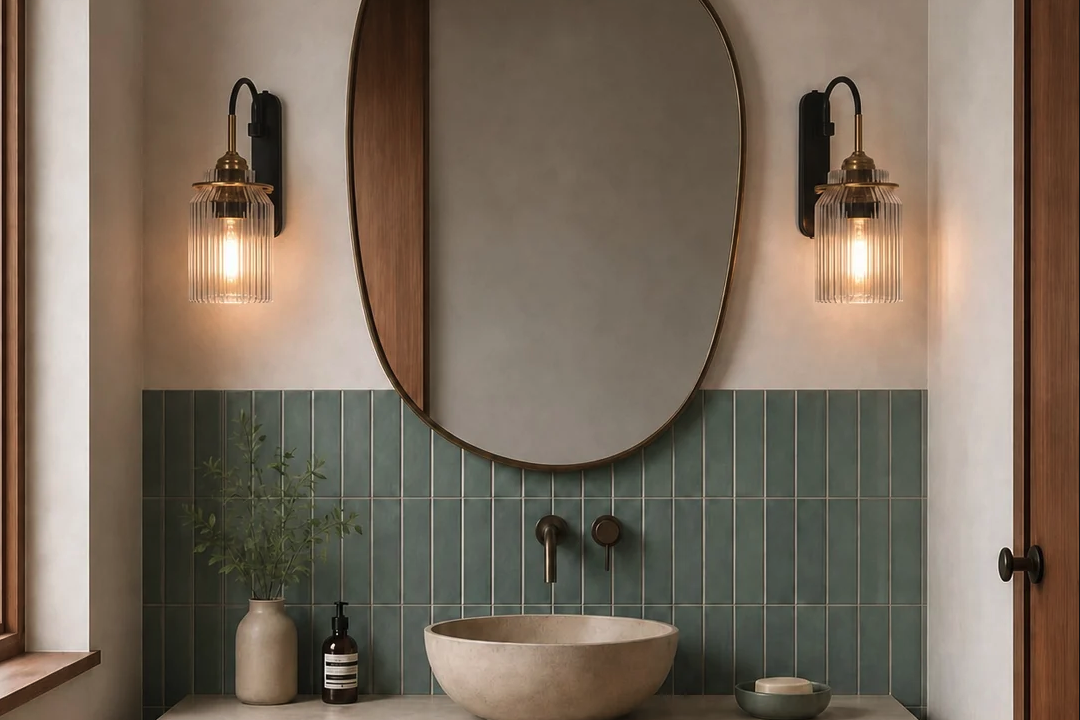
You’re probably here because you’re wondering if a Bauhaus ribbed glass mirror lamp is a good fit for your bathroom. The short answer is yes, absolutely – if you’re looking for a blend of functional lighting, unique aesthetic appeal, and a touch of vintage modernism, it’s an excellent choice. These lamps offer a distinct visual texture and a warm, diffused light that can transform a utilitarian space into something more refined and inviting. They’re particularly well-suited for bathrooms due to their robust construction and ability to create a soft, non-glaring illumination, which is ideal for tasks like shaving or applying makeup without harsh shadows.
Let’s break down why this specific combination works so well. It’s not just about a pretty light Luulai; there’s a design philosophy at play.
The Appeal of Ribbed Glass
Ribbed glass, also known as fluted or reeded glass, isn’t new. It’s been around for ages but has seen a significant resurgence.
- Diffused Light: The main practical benefit is how it handles light. The ridges scatter the light beautifully, softening it and preventing harsh glare. In a bathroom, where mirrors can reflect light intensely, this diffusion is a huge plus. It creates a much more pleasant ambiance than clear glass.
- Visual Texture: Beyond the light, ribbed glass adds a tactile and visual texture that’s subtle yet impactful. It breaks up flat surfaces without being overly decorative. This kind of understated detail is key to its appeal.
- Privacy (without sacrificing light): While not its primary function in a mirror lamp, ribbed glass does offer a slight degree of visual distortion, which can be a psychological comfort in a more private space.
- Durability and Cleanliness: Good quality ribbed glass is surprisingly robust and, because of its texture, often shows fewer smudges or water spots than perfectly clear glass, making it practical for a bathroom environment.
The Bauhaus Influence
Bauhaus, an influential art and design school from early 20th-century Germany, championed a “form follows function” philosophy.
- Minimalism and Clean Lines: Bauhaus designs are characterized by simplicity, geometric shapes, and a lack of unnecessary ornamentation. A ribbed glass mirror lamp, with its straightforward shape and focus on the material’s properties, aligns perfectly with this.
- Material Honesty: Bauhaus celebrated the inherent qualities of materials. Ribbed glass, with its natural ability to diffuse light and create texture, is a prime example of this. The design doesn’t try to hide the glass; it highlights it.
- Industrial Elegance: Many Bauhaus-inspired pieces have an industrial feel, often incorporating metal alongside glass. This blend of sturdy materials with refined design creates an understated elegance that fits well in a modern bathroom.
- Timelessness: Because Bauhaus designs prioritize function and simplicity, they tend to remain relevant and stylish for decades, even centuries. This isn’t a trendy item that will be out of style next year.
Key Design Considerations for Your Bathroom
When choosing a Bauhaus ribbed glass mirror lamp, there are several practical aspects to keep in mind to ensure it’s not just beautiful but also functional and safe.
Size and Placement
The size of the lamp relative to your mirror and vanity is crucial.
- Mirror Proportions: If you have a wide mirror, a single, longer ribbed lamp mounted horizontally above it can look sleek. For smaller mirrors or dual sinks, two vertical lamps flanking each mirror might be more appropriate.
- Vanity Width: Ensure the lamp doesn’t overpower your vanity. A good rule of thumb is that the fixture should be about 75% the width of your mirror if mounted above, or roughly eye-level if flanking it.
- Eye Level Illumination: For task lighting (shaving, makeup), the ideal placement is usually at eye level, around 60-70 inches from the floor, to minimize shadows on your face.
Lighting Output and Warmth
Bathrooms need good light, but it shouldn’t feel like an operating room.
- Lumen Output: Don’t just look at wattage; lumens tell you how bright the light actually is. For a main bathroom, you’ll want sufficient lumens (e.g., 800-1000 lumens per light fixture, depending on overall room size and other light sources).
- Color Temperature (Kelvin): This is where it gets interesting.
- Warm White (2700K-3000K): Creates a cozy, relaxing ambiance. Great for unwinding, but might not be the most accurate for makeup application.
- Neutral White (3500K-4000K): A good balance, offering clear visibility without feeling stark. Often recommended for bathrooms.
- Cool White/Daylight (4500K-5000K+): Very bright and crisp, great for task lighting, but can feel sterile if it’s the only light source.
- Dimmable Options: This is highly recommended. A dimmer allows you to adjust the light from bright task lighting to a soft, ambient glow for a relaxing bath. Many ribbed glass lamps are compatible with dimmable LED bulbs.
Material Finishes and Compatibility
The metal components of the lamp should complement your existing bathroom hardware.
- Chrome/Polished Nickel: Classic, sleek, and often found in Bauhaus designs. Works well with modern or transitional aesthetics.
- Matte Black: A contemporary choice that provides a strong contrast, particularly against lighter tiles or walls.
- Brushed Brass/Gold: Adds warmth and a touch of sophisticated vintage charm. It pairs beautifully with the textured glass.
- Cohesion: Try to match the finish of your lamp to your faucet, showerhead, and cabinet pulls for a cohesive look. Mixed metals can work, but require a more discerning eye.
IP Rating (Ingress Protection)
This is a critical safety aspect for any bathroom lighting.
- Understanding IP Ratings: The “IP” stands for Ingress Protection, followed by two numbers. The first number indicates protection against solids (dust), and the second against liquids (water).
- Bathroom Zones: Bathrooms are divided into zones based on their proximity to water sources.
- Zone 0: Inside the bath or shower tray. Requires IPX7 (total immersion protection). Not applicable for mirror lamps.
- Zone 1: Directly above the bath or shower, up to 2.25m from the floor. Requires IPX4 (splashproof).
- Zone 2: Area within 60cm of the bath, shower, or sink. Also requires IPX4. This is typically where your mirror lamp will be.
- Zone 3 (Outside Zones): Anywhere outside Zones 0, 1, and 2, where no water jet is likely to be used. Still recommended to have at least IPX1 or IPX2, but standard fixtures are often sufficient.
- Recommendation: For a mirror lamp, aim for at least IP44. This means it’s protected against solid objects larger than 1mm and against splashes of water from any direction. Always check the manufacturer’s specifications.
Integrating with Different Bathroom Styles
A Bauhaus ribbed glass mirror lamp is surprisingly versatile and can enhance various bathroom aesthetics beyond just strict modernism.
Modern Minimalist
This is its natural habitat.
- Clean Lines: The lamp’s inherent simplicity and geometric form align perfectly with modern minimalist principles.
- Monochromatic Palettes: It complements white, grey, or black bathrooms, adding subtle texture without clutter.
- Uncluttered Space: The lamp provides a focal point without being overtly decorative, allowing the space to breathe.
- Materials: Pair with concrete countertops, plain ceramic tiles, and minimalist fixtures for a cohesive look.
Industrial Chic
The raw, honest materials of Bauhaus often overlap with industrial design.
- Metal Accents: Choose a lamp with a matte black or brushed metal finish to tie into industrial elements like exposed pipes or metal-framed mirrors.
- Gritty Textures: The ribbed glass provides a refined contrast to rougher textures like brick, reclaimed wood, or dark grout.
- Functional Focus: Both styles emphasize functionality and practicality, making them natural partners.
Scandinavian Influence
The warmth and simplicity of Nordic design can be beautifully complemented.
- Light and Airy: The diffused light from the ribbed glass enhances the bright, airy feel typical of Scandinavian bathrooms.
- Natural Materials: It pairs well with light wood vanities, natural stone elements, and muted color palettes.
- Understated Elegance: Scandinavian design is about comfort and functionality without fuss, which the Bauhaus lamp embodies.
Transitional Spaces
For those who want a blend of classic and contemporary.
- Softening Traditional Elements: The clean lines and modern texture of the lamp can update a more traditional vanity or faucet without clashing.
- Adding Interest: In a largely neutral transitional bathroom, the ribbed glass adds a subtle layer of visual interest that feels refined, not trendy.
- Balancing Act: It can bridge the gap between ornate and stark, providing a balanced aesthetic.
Installation and Maintenance Tips
Getting your new lamp installed correctly and keeping it looking its best are important steps.
Professional Installation
- Safety First: Electrical work in a bathroom is not a DIY project for the inexperienced. Water and electricity are a dangerous combination.
- Building Codes: Licensed electricians are familiar with local building codes and safety regulations, including specific requirements for bathroom lighting (like IP ratings and wiring practices).
- Proper Grounding: Ensuring the fixture is properly grounded is crucial for safety.
Bulb Selection
- LED is King: Always opt for LED bulbs. They are energy-efficient, long-lasting, and don’t produce excessive heat, which is important in an enclosed fixture.
- Dimmable LEDs: If your fixture and switch are dimmable, ensure your LED bulbs are also dimmable. Not all LEDs are.
- Bulb Shape: Consider the shape of the bulb. Some ribbed glass designs look best with a specific bulb shape (e.g., elongated “tube” bulbs or vintage-style Edison bulbs if the ribbed glass is clear enough to show them).
Cleaning Your Ribbed Glass
- Gentle Approach: Ribbed glass, while durable, should be cleaned with care.
- Mild Soap and Water: A soft cloth dampened with a solution of mild dish soap and warm water is usually sufficient.
- Avoid Abrasives: Do not use abrasive cleaners, scourers, or harsh chemicals, as these can scratch the glass or damage metal finishes.
- Drying: Dry thoroughly with a clean, lint-free cloth to prevent water spots, especially if you have hard water.
- Dusting: Regular dusting with a soft brush or microfibre cloth will keep dust from accumulating in the ridges.
Where to Find Your Perfect Lamp
These lamps are becoming more popular, so you have a few options for sourcing them.
Specialty Lighting Stores
- Expert Advice: These stores often have knowledgeable staff who can help with IP ratings, lumen calculations, and design advice.
- Quality Control: You’re more likely to find higher-quality fixtures and reputable brands.
- Seeing in Person: There’s no substitute for seeing the light output and glass quality in person.
Online Retailers
- Wider Selection: Online stores offer an enormous range of designs, finishes, and price points.
- Customer Reviews: Pay close attention to reviews, especially those that mention installation, light quality, and customer service.
- Returns Policy: Always check the return policy before purchasing, especially for larger or more expensive items.
Boutique Design Shops & Vintage Finds
- Unique Pieces: For something truly one-of-a-kind, explore smaller design boutiques or even architectural salvage yards for vintage pieces (though these might need re-wiring for modern safety standards).
- Higher Price Point: Be prepared to pay more for unique or artisanal items.
- Authenticity: A vintage Bauhaus-inspired piece can add incredible character.
A Bauhaus ribbed glass mirror lamp isn’t just a lighting fixture; it’s a statement piece that brings a blend of art, history, and practical design to your bathroom. Its ability to diffuse light, add subtle texture, and integrate with diverse styles makes it a versatile and timeless choice. By considering the practical aspects of size, lighting, safety, and maintenance, you can ensure it not only looks good but also serves your needs beautifully for years to come.