
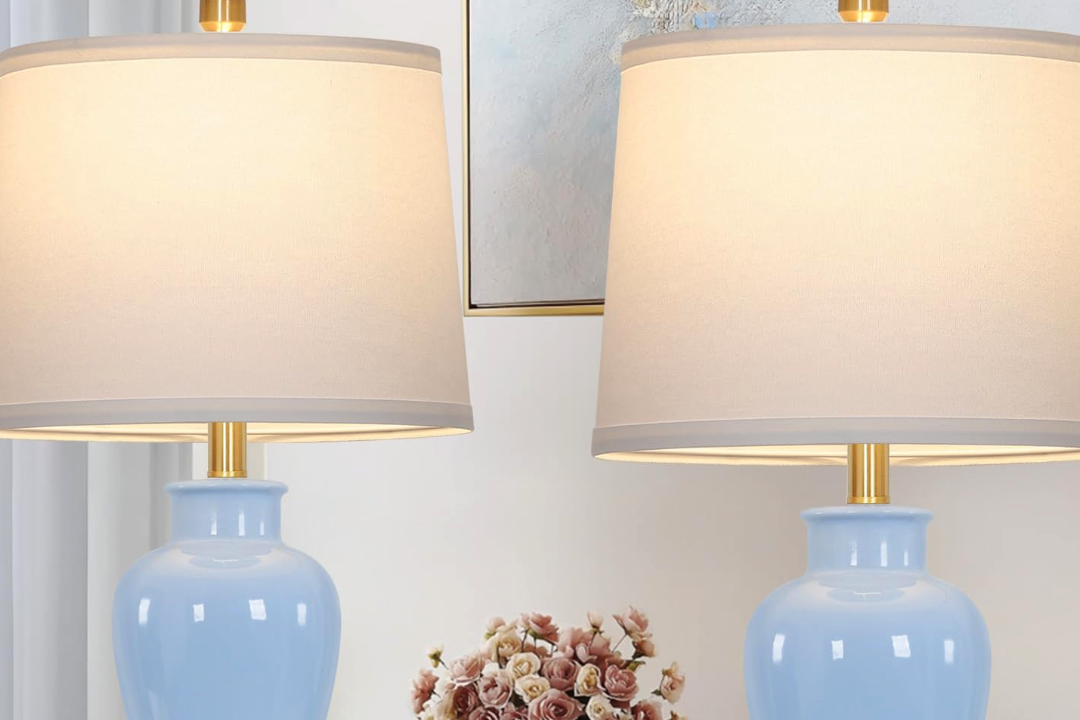
Alright, let’s talk about the blue and white porcelain console table lamp. If you’re wondering if these lamps are still a good choice for your home, the short answer is a resounding yes. They’ve been around for centuries, and for good reason – their classic appeal and versatility make them a reliable and stylish addition to almost any interior. They’re not just a trend; they’re a design staple.
The Enduring Appeal of Blue and White Porcelain
It’s no accident that blue and white porcelain has maintained its popularity for so long. There’s something inherently calming and sophisticated about the combination of these two colors and the intricate designs often found on the porcelain itself.
A Rich History Behind the Aesthetics
Dating back to the Tang Dynasty in China, blue and white porcelain really hit its stride during the Yuan and Ming dynasties. The cobalt blue pigment, often imported, provided a stark and beautiful contrast against the white ceramic. This intricate artistry wasn’t just for show; it often depicted scenes from nature, mythology, and everyday life, telling stories that transcended borders. When these pieces made their way to Europe, they were incredibly coveted, inspiring local interpretations and becoming symbols of luxury and refinement. This long, rich history imbues each piece, even modern reproductions, with a sense of gravitas and tradition that’s hard to replicate with other materials.
Versatility in Design
One of the biggest strengths of blue and white porcelain lamps Nusaliving is their incredible versatility. They can feel right at home in a traditional setting filled with antiques, but they also offer a refreshing contrast in a contemporary, minimalist space. Think about a sleek, modern console table with clean lines; adding a blue and white porcelain lamp instantly introduces a touch of classic elegance without making the space feel cluttered or old-fashioned. This adaptability is key to their “timeless” status – they don’t limit your decor choices, they enhance them.
Finding Your Perfect Blue and White Porcelain Lamp
So, you’re convinced. Now, how do you go about picking the right one? It’s not just about aesthetics; you also need to consider practicality and how it fits into your home’s overall feel.
Understanding Different Styles and Patterns
Not all blue and white porcelain is created equal, and that’s a good thing! There’s a huge variety of styles and patterns to explore.
Classic Chinese Motifs
These are perhaps the most recognizable. Think intricate dragons, phoenixes, cherry blossoms, traditional landscapes, or delicate floral patterns. Often, these designs feel a bit more formal and traditional, making them perfect for classic and transitional interiors. The level of detail can vary wildly, from finely painted, almost calligraphic lines to bolder, more impressionistic strokes.
Chinoiserie and European Interpretations
When blue and white porcelain made its way to Europe, it inspired local artisans to create their own versions. These often share the color palette but might feature European flora, fauna, or romanticized versions of Asian scenes. Delftware from the Netherlands is a prime example, with its distinct shades of blue and more rustic, often charmingly imperfect, brushstrokes. These can be a great bridge between traditional and more cottage-core or eclectic styles.
Modern Geometric or Abstract Designs
For those who love the color combination but prefer a less ornate look, some contemporary designers have experimented with blue and white porcelain, incorporating geometric patterns, abstract swirls, or even solid color blocks. These lamps can provide a sleek, updated take on the classic, fitting beautifully into minimalist or industrial schemes.
Considering Size and Proportion
This is crucial. A lamp that’s too small will look lost, and one that’s too large will overwhelm your console table (and the entire space).
Height and Width Guidance
As a general rule for a console table, the total height of the lamp (including the shade) should be roughly 1.5 to 2 times the height of the console table itself. However, this is just a starting point. You also need to consider the width of the lamp base and shade in relation to the table’s length. You don’t want the shade to extend beyond the table’s edge. If you’re pairing two lamps, ensure there’s enough breathing room between them.
Visual Weight and Balance
Beyond raw dimensions, think about the visual weight. A very ornate or bulky lamp base might appear heavier than a sleek, slender one, even if they’re the same height. If your console table is delicate, a heavy lamp might feel unbalanced. Conversely, a robust lamp can help anchor a lighter console. It’s all about creating harmony.
Shade Selection: The Often Overlooked Detail
The shade can make or break the lamp’s overall look and functionality.
Material Choices
- Linen/Cotton: These are popular for good reason. They diffuse light beautifully, giving a warm, inviting glow. They’re versatile and come in a wide range of colors (though off-white or cream is most common for blue and white porcelain).
- Silk: Offers a more luxurious, formal feel, often with a subtle sheen. It can elevate the lamp’s elegance.
- Paper: Can create a crisp, modern look. Sometimes used for pleated shades.
- Rattan/Wicker: For a more natural, bohemian, or coastal vibe, these can be an interesting contrast to the refined porcelain.
Shape and Size Matters
- Drum Shades: Very popular and versatile, offering clean lines.
- Empire Shades: Tapered from top to bottom, a classic choice that can feel a bit more traditional.
- Bell Shades: Curved and flared, often associated with a more vintage or ornate style.
- Square/Rectangular Shades: A modern choice that can complement contemporary table shapes.
The shade’s diameter should generally be wider than the widest part of the lamp base, and its height should be about two-thirds to three-quarters the height of the base. This helps ensure good proportions. The color of the shade also impacts the light – a white or off-white shade will provide brighter, clearer light, while a darker shade will create a more subdued, ambient glow.
Leveraging Blue and White in Your Decor
Bringing blue and white porcelain into your home isn’t just about placing a lamp; it’s about integrating it thoughtfully into your existing decor.
Creating Focal Points
A stunning blue and white porcelain lamp on a console table often becomes a natural focal point, drawing the eye and setting a tone for the entryway or living space.
Placement for Impact
Consider where the lamp will be seen from. An entryway console table with a striking lamp makes a welcoming first impression. In a living room, placing a pair of lamps on either end of a longer console can create beautiful symmetry and define the space. Think about the wall behind it too – a solid color wall will allow the lamp’s intricate pattern to really pop.
Pairing with Artwork or Mirrors
A large mirror or a piece of artwork hung above the console table can beautifully frame your blue and white lamp. The reflection in a mirror can amplify the lamp’s light and beauty, while artwork can either pick up the blue hues or offer a complementary color contrast.
Harmonizing with Existing Color Schemes
Blue and white is incredibly adaptable and can work with a surprising array of color palettes.
Complementary Colors
Blue and white naturally pairs well with neutrals like creams, beiges, greys, and whites, creating a serene and sophisticated atmosphere. It also looks fantastic with greens (think plants or green accents), evoking a fresh, natural feel. Golds and brass elements can add a touch of warmth and luxury to the cool blue.
Adding Pops of Color
Don’t be afraid to introduce bolder colors elsewhere in the room. A blue and white lamp can anchor a space with vibrant throw pillows, a colorful rug, or a bright piece of abstract art. The classic nature of the lamp acts as a grounding element, allowing other colors to sing without overwhelming the space. Consider pops of coral, yellow, or even a deep rich red.
Mixing and Matching Textures and Materials
To keep your space from feeling flat, play with different textures and materials around your blue and white lamp.
Wood, Metal, and Glass
A rustic wooden console table can provide a wonderful contrast to the smooth, refined porcelain. A sleek metal table can highlight its intricate details. Adding clear glass vases, metallic decorative objects, or woven baskets nearby can create visual interest and tactile richness, making the overall vignette feel layered and inviting.
Practical Considerations for Your Lamp
Beyond aesthetics, there are a few practical aspects to keep in mind when choosing and using your blue and white porcelain console table lamp.
Illumination and Ambiance
A lamp isn’t just decoration; it’s a light source!
Bulb Type and Wattage
Consider the kind of light you want. LED bulbs are energy-efficient and come in various color temperatures (warm white, cool white). For a warm, inviting glow, aim for a Kelvin rating around 2700K-3000K. The wattage will depend on how much light you need. For ambient lighting on a console table, often 60-watt equivalent (or less, with LEDs) is sufficient. Make sure the bulb you choose fits the lamp’s socket type (E26 is common in North America).
Dimmer Switches for Versatility
If your lamp doesn’t come with a dimmer, consider adding an inline dimmer switch. This allows you to adjust the light intensity, transforming the ambiance from bright task lighting to a soft, warm glow for evening entertaining. It adds a lot of flexibility.
Maintenance and Care
Porcelain lamps are generally quite durable, but a little care goes a long way.
Cleaning Your Lamp Base
For the porcelain base, a soft, damp cloth is usually all you need. Avoid harsh abrasive cleaners, which can scratch the glaze or damage any painted details. For more stubborn dust or grime, a very mild soapy water solution can be used, but always dry it thoroughly afterward. If your lamp has gilded details, be especially gentle as these can sometimes be more delicate.
Dusting and Cleaning Shades
Lampshades can accumulate dust. Use a lint roller, a soft brush, or the brush attachment of your vacuum cleaner on a low setting to gently remove dust. For fabric shades with minor stains, spot cleaning with a very mild fabric cleaner (test in an inconspicuous area first) might be possible, but be careful not to oversaturate the material.
Wiring and Electrical Safety
Always ensure the lamp’s wiring is in good condition, especially if you’re buying a vintage piece. Frayed cords or loose connections are fire hazards. If in doubt, have an electrician inspect it or rewire it. Always plug lamps into properly grounded outlets.
Why They Remain a “Timeless” Design Choice
We keep coming back to that word: “timeless.” It’s more than just a buzzword for blue and white porcelain lamps.
Resisting Trends
Many decor items come and go, but blue and white porcelain has proven its staying power. It isn’t tied to a specific era; it transcends them. This means investing in one of these lamps is a safe bet; it won’t feel dated in a few years. It’s a foundational piece that adapts to evolving tastes rather than dictating them.
A Blend of Art and Functionality
At its core, a good blue and white porcelain lamp offers a perfect marriage of art and utility. It’s a beautiful sculpture even when turned off, and a functional light source when illumination is needed. This dual role elevates it beyond a simple accessory to a significant design element.
Global and Cultural Appeal
The universal appeal of blue and white, coupled with the intricate artistry often present in porcelain, gives these lamps a global charm. They can evoke images of ancient China, Dutch interiors, or classic American traditional homes. This broad appeal means they can find a home in a vast array of personal styles and preferences.
Ultimately, a blue and white porcelain console table lamp is far more than just a light source. It’s a piece of history, an artistic statement, and a wonderfully versatile addition to any home. Its enduring charm and adaptability make it a truly smart and beautiful design choice that you’ll likely cherish for years to come.