
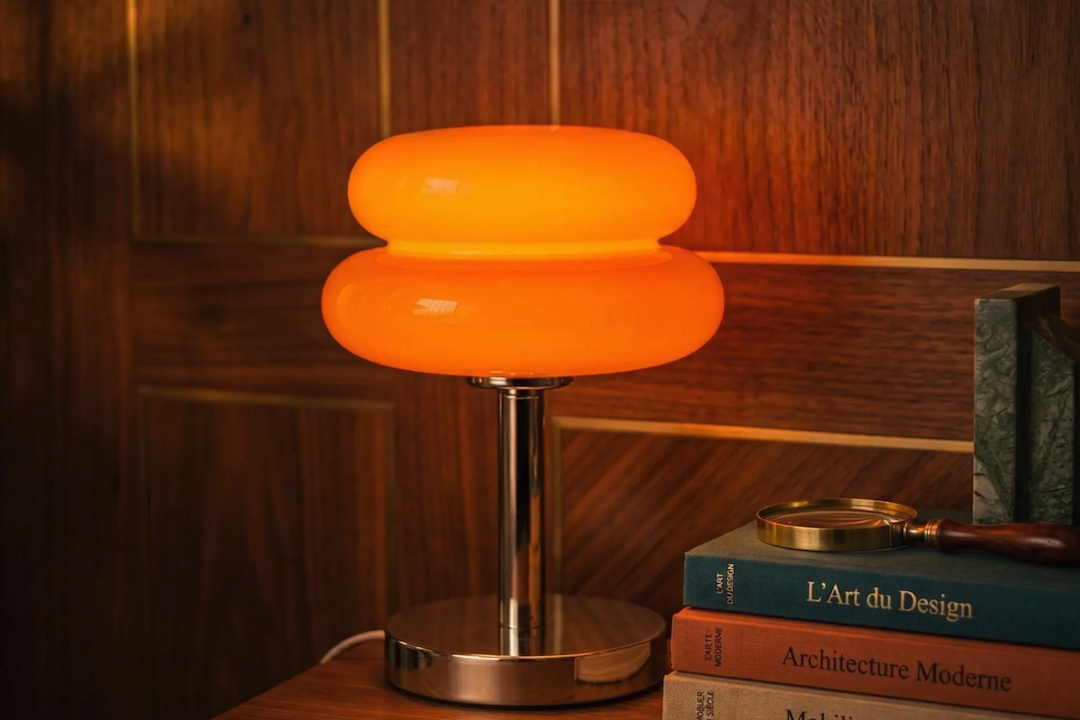
So, you’re looking for that perfect touch to finish off your side table, and you’ve got a soft spot for all things retro, particularly that groovy 1970s vibe? Good news: a vintage-inspired orange acrylic Space Age table lamp is probably exactly what you need. It’s not just a light source; it’s a statement piece that injects instant style and a warm, inviting glow into any room. Think bold color, futuristic shapes, and that immediate sense of cool that defines the era.
The 1970s were a pivotal decade for design, moving away from the more structured mid-century modern aesthetic and embracing a freer, more unconventional look. The Space Age movement, in particular, captured the imagination with its futuristic forms and innovative materials.
Why Acrylic?
Acrylic, a relatively new material at the time, was a game-changer. It offered designers incredible flexibility to create organic, flowing shapes that weren’t possible with traditional glass or metal. It was also lightweight, relatively inexpensive, and came in a dazzling array of translucent and opaque colors. For lamps Simiglighting, this meant the light filtering through the acrylic created a unique, diffused glow that was both striking and atmospheric. Orange, a dominant color of the era, brought warmth and energy.
Iconic Shapes and Silhouettes
Think Sputnik-inspired spheres, rocket-like cones, whimsical mushrooms, and layered domes. Space Age lamps weren’t just practical items; they were sculptural art pieces. They often featured multiple light sources or cleverly concealed bulbs that diffused light through the acrylic, creating soft, ambient illumination perfect for setting a mood. The shapes were often organic, defying straight lines and embracing curves, much like the human body or objects found in nature. This fluidity gave them a whimsical, almost playful quality.
More Than Just a Lamp: A Conversational Piece
These lamps weren’t meant to blend in. They were designed to stand out, to spark conversation, and to transport you to a future that felt bright and optimistic. Owning one today is a nod to that era of innovation and bold design choices. It’s a statement that says you appreciate design history and aren’t afraid to inject some personality into your home.
Finding Your Perfect Orange Acrylic Lamp
The market for retro and vintage-inspired items has grown significantly. You have options, whether you’re seeking an authentic period piece or a faithful reproduction.
Hunting for True Vintage Gems
If authenticity is your priority, scouring vintage shops, flea markets, and specialized online marketplaces is your best bet. Keep an eye out for lamps from designers like Luigi Colani, Verner Panton, and Poul Henningsen, though less famous (and more affordable) designers also produced stunning pieces.
- What to Look For: Examine the condition of the acrylic – scratches are common but deep cracks are a deal-breaker. Check the wiring; vintage electrical components can be brittle or unsafe, so be prepared for potential rewiring. Look for original labels or markings if possible, as these can confirm authenticity and value.
- Where to Look: Websites like Etsy, eBay, 1stDibs, and specialist vintage dealers often have a good selection. Local antique malls or vintage furniture stores can also yield treasures. Don’t be afraid to ask sellers about the lamp’s history and any restoration work.
Opting for Modern Reproductions
Many manufacturers now produce lamps inspired by 1970s Space Age designs. These can be a fantastic option if you want the aesthetic without the potential hassle or expense of true vintage.
- Benefits: New reproductions offer modern wiring for safety, often new materials that are more scratch-resistant, and a wider availability of styles. They’re also typically more affordable than high-end vintage pieces.
- Considerations: While visually similar, they might lack the unique patina and story of an authentic vintage item. Ensure the quality of the materials and construction lives up to your expectations.
Styling Your Space Age Masterpiece
Once you have your orange acrylic lamp, the fun begins: integrating it seamlessly (or strikingly!) into your home decor.
Complementary Color Palettes
Orange is a warm, vibrant color. It pairs beautifully with a range of other hues.
- Warm Tones: Think earthy browns, muted mustards, terracotta, and deep reds for a cozy, autumnal feel. This creates a cohesive, inviting atmosphere.
- Cool Contrasts: Blues (especially navy or teal), greens (olive or emerald), and even crisp whites can provide a striking contrast that makes the orange pop even more. This creates a more dynamic and energetic look.
- Neutrals: Greys, creams, and black provide a sophisticated backdrop, allowing the orange lamp to truly be the star of the show. This is a great approach if you want the lamp to be a focal point without overwhelming the space.
Furniture & Material Pairings
The curvilinear forms and acrylic material of these lamps lend themselves well to certain furniture styles and textures.
- Sleek & Modern: The lamp can add a pop of color and personality to a minimalist or contemporary space. Think clean lines, glass, chrome, and polished wood. The contrast of the retro lamp with modern furniture creates an interesting dialogue between eras.
- Mid-Century Modern: A natural fit. Mid-century furniture shares a similar design lineage, often featuring organic shapes, warm woods, and simple forms. A Space Age lamp can elevate this aesthetic, adding an experimental edge.
- Boho or Eclectic: The lamp’s unconventional nature makes it a great addition to a bohemian or eclectic room, where different styles and eras are purposefully mixed. Think textured textiles, rattan, and a mix of pattern and color.
- Materials: Don’t shy away from mixing textures. The smooth acrylic will stand out against rougher materials like raw wood, woven fabrics, or even concrete. Chrome and brass accents in other decor pieces will also echo the metallic finishes often found in Space Age design.
Placement & Practicality
Where you place your lamp can significantly impact its visual effect and utility.
- Side Table Spotlight: This is its natural habitat. Position it on an end table next to a sofa or armchair. Ensure it’s at a comfortable height for reading or simply admiring. The light should be functional for tasks but also atmospheric.
- Bedside Glow: On a nightstand, it creates a warm, soft glow perfect for winding down. The diffused light from acrylic is often less harsh than direct light, making it ideal for the bedroom.
- Entryway Statement: In a hallway or entryway on a console table, it can welcome guests with a touch of retro flair and provide ambient light. It immediately sets a tone for your home.
- Beyond Tables: Don’t limit yourself to traditional table surfaces. A small, unique lamp could even find a home on a bookshelf or a credenza, adding an unexpected focal point. Consider the scale; an overly large lamp on a small surface can look cluttered.
The Warm Glow and Ambiance
Beyond its visual appeal, an orange acrylic lamp offers a distinct quality of light that can transform a room’s atmosphere.
The Magic of Diffused Light
Unlike lamps with opaque shades that direct light downwards, many Space Age acrylic lamps allow light to pass through the material itself. This creates a diffused, even glow that is incredibly inviting. The translucent orange acrylic filters the light, giving it a warm, almost sunset-like hue.
Setting the Mood
This isn’t your main task lighting. This lamp is about ambiance.
- Cozy Evenings: It’s perfect for creating a cozy, relaxed atmosphere in the evenings, whether you’re reading, watching TV, or simply unwinding. The warm light can psychologically make a space feel more comfortable and intimate.
- Soft Backlighting: Positioned strategically, it can provide soft backlighting for a plant, a piece of art, or a sculptural object, highlighting those elements without being overpowering.
- Enhancing Warm Tones: If your room already features warm colors, the orange light will enhance and deepen those tones, making the space feel richer and more cohesive.
Bulb Choice Matters
Even with a colored shade, the type of bulb you use can influence the final effect.
- LEDs for Efficiency: Modern LED bulbs offer excellent energy efficiency and a long lifespan. Look for “warm white” or “soft white” LEDs to maintain that cozy glow; cooler daylight bulbs might counteract the orange’s warmth. Dimmable LEDs are a bonus for ultimate mood control.
- Edison Bulbs for Added Warmth: For an even more vintage feel, an Edison-style LED bulb (which mimics the look of incandescent filaments) can add an extra layer of warmth and a touch of nostalgic charm, especially if the bulb itself is visible.
- Avoid Harsh Lighting: Steer clear of very bright, stark white bulbs. The goal is to enhance the lamp’s natural warmth, not to overpower it. The charm of an orange acrylic lamp is in its ability to soften light, not just produce it.
Maintaining Your Retro Treasure
Whether vintage or new, acrylic lamps require a little care to keep them looking their best.
Cleaning Acrylic Surfaces
Acrylic is softer than glass and can scratch more easily.
- Gentle Approach: Use a soft, lint-free microfiber cloth. Ditch paper towels, which can be abrasive.
- Mild Solutions: A solution of mild soap and water is usually sufficient. For tougher marks, specialized acrylic cleaners are available. Avoid harsh chemical cleaners, ammonia-based products (like window cleaner), or abrasive scrubbing pads, as these can cloud or damage the acrylic.
- Dab, Don’t Scrub: When cleaning, dab gently rather than scrubbing vigorously to lift dirt. For dust, a light dusting or compressed air can work wonders.
Wiring and Electrical Safety
Especially for true vintage pieces, electrical safety is paramount.
- Inspect Regularly: Periodically check the cord for fraying, cracks, or exposed wires. Look at the plug for any signs of damage.
- Professional Rewiring: If you’re unsure about the wiring, or if it looks old and brittle, it’s always best to have a qualified electrician inspect and rewire the lamp. This is a relatively inexpensive process that ensures safety and peace of mind, allowing you to enjoy your lamp without worry.
- Correct Bulb Wattage: Always use bulbs with a wattage appropriate for the lamp’s socket to prevent overheating. Vintage lamps may have lower wattage limits.
Protecting the Finish
- Avoid Direct Sunlight: Prolonged exposure to direct sunlight can cause acrylic to yellow or become brittle over time, especially with older pieces. Position your lamp where it won’t be constantly bombarded by harsh UV rays.
- Stable Surface: Ensure the lamp is placed on a stable, flat surface to prevent accidental tipping and damage.
- Handling with Care: When moving or handling the lamp, be gentle to avoid scratches or impact damage. Hold it by its base if possible, rather than the shade or delicate acrylic components.
By understanding its history, knowing how to source it, and learning to style and maintain it, your Retro 1970s Orange Acrylic Space Age Table Lamp won’t just be a lighting fixture. It’ll be a beloved, conversation-starting piece of art that infuses warmth, personality, and a serious dose of cool into your side table and your entire living space.