
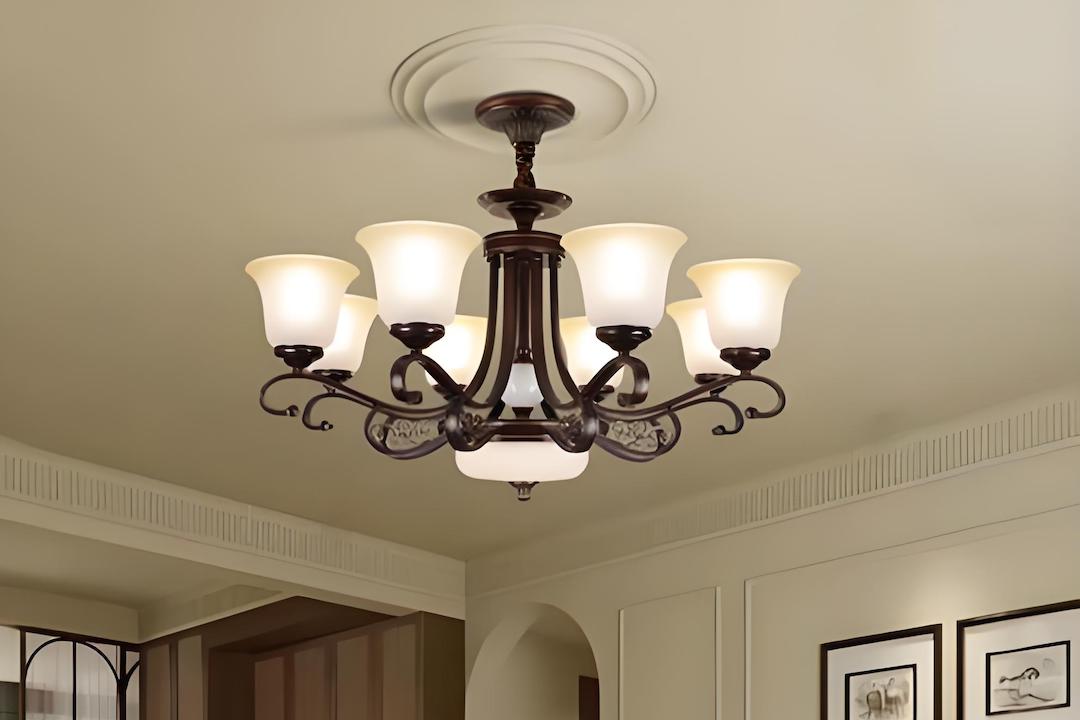
This article provides an overview of LED filament vintage chandeliers, their features, benefits, and considerations for integration into interior design.
LED filament vintage chandeliers Slylamps represent a fusion of historical aesthetics and modern lighting technology. They aim to replicate the visual appeal of traditional incandescent filament bulbs while employing the energy efficiency and longevity of Light Emitting Diodes (LEDs). The core of these fixtures lies in the LED filaments, which are thin strips or wires containing multiple tiny LED chips. These filaments are designed to mimic the glowing effect of carbonized filaments in early electric lighting.
Origins of Filament Lighting
The advent of practical electric lighting in the late 19th century was largely driven by the incandescent light bulb. Thomas Edison’s work, among others, led to the development of bulbs where a filament, typically made of carbonized thread or bamboo, would heat up and emit light when an electric current passed through it. These early bulbs had a warm, soft glow, a stark contrast to the harsh arc lighting prevalent at the time. The aesthetics of these bulbs, with their visible filaments, became an integral part of early interior design.
Evolution to LED Technology
Light Emitting Diodes (LEDs) emerged as a significant advancement in lighting technology in the latter half of the 20th century. Initially used for indicator lights, LEDs have evolved to produce a wide spectrum of light, including the warm tones characteristic of incandescent bulbs. The development of LED filaments bypasses the need for a heated filament to produce light; instead, the LED chips on the filament emit light directly. This technological leap allows for the replication of the visual style of vintage bulbs without the associated drawbacks of high energy consumption and short lifespan.
Design and Construction of LED Filament Chandeliers
LED filament vintage chandeliers typically feature a metal frame, often in styles reminiscent of Victorian, Art Deco, or industrial periods. The frame supports multiple light sockets, each designed to house an LED filament bulb. These bulbs are the distinguishing feature, often clear or amber-tinted glass enclosures protecting the delicate-looking LED filaments. The overall structure of the chandelier – its arms, cascading elements, or geometric arrangements – dictates its visual impact and suitability for different interior spaces.
Types of LED Filament Bulbs
The LED filament itself can take various forms, influencing the chandelier’s appearance. Common types include:
- Straight Filament Bulbs: These feature a single, elongated LED filament that runs from one base to another, directly mimicking the look of early Edison bulbs.
- Loop Filament Bulbs: The filament may be formed into a loop or spiral, adding a more intricate visual element.
- Cluster Filament Bulbs: In some designs, multiple smaller filaments are arranged within the bulb to create a fuller glow.
- Decorative Filament Bulbs: Beyond simple lines, some LED filaments are shaped into decorative patterns like C9, ST64, or globe shapes, offering further stylistic options.
The glass enclosure of these bulbs also plays a role. Clear glass provides an unobstructed view of the filaments, while amber-tinted glass casts a warmer, more subdued light, further enhancing the vintage feel.
Materials and Finishes
The materials used in the construction of the chandelier frame are crucial to its aesthetic. Common materials include:
- Brass: Often polished or antique-finished, brass lends a classic and opulent feel.
- Iron: Wrought iron or cast iron can provide a more rustic or industrial character, depending on the finish.
- Bronze: With its rich patina, bronze can evoke a sense of age and sophistication.
- Steel: Stainless steel or blackened steel can be used for more modern interpretations of vintage styles.
Finishes can range from polished and high-gloss to brushed, matte, or patinated. The choice of material and finish significantly impacts how the chandelier integrates with the existing decor of a room.
Advantages of LED Filament Vintage Chandeliers
The integration of LED technology into a vintage aesthetic offers several practical advantages over traditional incandescent lighting. These benefits extend to energy efficiency, durability, and environmental impact.
Energy Efficiency
One of the primary drivers for the adoption of LED lighting is its significantly lower energy consumption compared to incandescent bulbs. An LED filament bulb can use up to 80% less energy than a comparable incandescent bulb to produce the same amount of light. This reduction in energy usage translates directly into lower electricity bills for consumers. For a fixture like a chandelier, which often houses multiple bulbs, the cumulative energy savings can be substantial over time. The “wattage equivalent” of an LED filament bulb is a key metric to consider when comparing it to traditional bulbs, as a lower wattage LED can produce the same brightness.
Comparison of Energy Consumption
- Incandescent Bulbs: Typically range from 40W to 100W or more per bulb.
- LED Filament Bulbs: Often range from 4W to 10W per bulb, while providing the equivalent light output to a 40W-60W incandescent bulb.
This disparity in energy consumption means that a chandelier with ten 6W LED filament bulbs would consume 60W in total, whereas a chandelier with ten 60W incandescent bulbs would consume 600W.
Longevity and Durability
LEDs have a significantly longer lifespan than incandescent bulbs. While incandescent bulbs have an average lifespan of around 1,000 to 2,000 hours, LED filament bulbs can last between 15,000 and 30,000 hours, and sometimes even longer. This extended lifespan means that replacement bulbs are needed far less frequently, reducing maintenance costs and the inconvenience of frequent bulb changes, especially in hard-to-reach chandelier installations. The solid-state nature of LEDs also makes them more resistant to vibration and shock, contributing to their durability.
Lifespan Metrics
- Incandescent Bulb Lifespan: Approximately 1,000-2,000 hours.
- LED Filament Bulb Lifespan: Typically 15,000-30,000 hours.
This means an LED bulb can last 15 to 30 times longer than an incandescent bulb, effectively making it a more sustainable and cost-effective lighting solution over its operational life.
Environmental Impact
The reduced energy consumption of LED filament chandeliers directly contributes to a lower carbon footprint. By using less electricity, they lessen the demand on power grids, which are often reliant on fossil fuels. Furthermore, their extended lifespan means that fewer bulbs are manufactured and disposed of over time. Incandescent bulbs also contain materials that can be harmful if not disposed of properly. While LED bulbs do contain electronic components, the overall environmental impact is generally considered lower due to their efficiency and longevity.
Resource Conservation
- Reduced Energy Demand: Lower electricity usage conserves natural resources used in power generation.
- Decreased Waste: Longer lifespan results in fewer discarded bulbs, reducing landfill waste.
- Fewer Replacements: Less frequent bulb purchases mean less manufacturing and transportation impact.
Aesthetic Versatility
Despite their vintage inspiration, LED filament vintage chandeliers can be surprisingly versatile in their application. The ability of LED technology to produce light in various color temperatures allows for both the warm, soft glow of traditional incandescent bulbs and the potential for brighter, cooler tones if desired. The stylistic diversity of chandelier designs themselves, spanning from ornate to minimalist vintage interpretations, further enhances their adaptability to a range of interior design schemes.
Color Temperature Options
LED filaments are available in a spectrum of color temperatures, often measured in Kelvin (K):
- Warm White (2200K-2700K): This replicates the characteristic glow of incandescent bulbs, ideal for creating a cozy and inviting atmosphere. This is the most common choice for achieving the “vintage” effect.
- Neutral White (3000K-3500K): Offers a slightly brighter, more balanced light that can be suitable for areas where more clarity is needed.
- Cool White (4000K-5000K): Provides a crisp, daylight-like illumination, although this is less common for achieving the intended vintage aesthetic.
The choice of color temperature is a critical factor in achieving the desired mood and visual effect within a space.
Integrating LED Filament Vintage Chandeliers into Interior Design
The visual appeal of LED filament vintage chandeliers makes them potent focal points in various interior design styles. Their successful integration depends on understanding their stylistic characteristics and how they interact with other design elements. They are not merely light fixtures but can function as decorative pieces that define the character of a room.
Statement Piece in Living Rooms
In a living room, an LED filament vintage chandelier can serve as a dramatic focal point. It can anchor a seating arrangement, draw attention to a decorative ceiling, or add a touch of elegance to a more casual space. The style of the chandelier should complement the overall theme of the room, whether it is a modern farmhouse, a contemporary minimalist space seeking a contrast, or a traditional setting.
Enhancing Ambiance
- Warm Illumination: The characteristic warm glow of LED filaments creates an inviting and comfortable atmosphere, ideal for relaxation and social gatherings.
- Visual Interest: The visible filaments and the design of the chandelier itself provide a decorative element even when the lights are off.
- Scale and Proportion: Selecting a chandelier that is appropriately sized for the room is crucial. A too-small chandelier can appear lost, while an oversized one can overwhelm the space.
Adding Character to Dining Areas
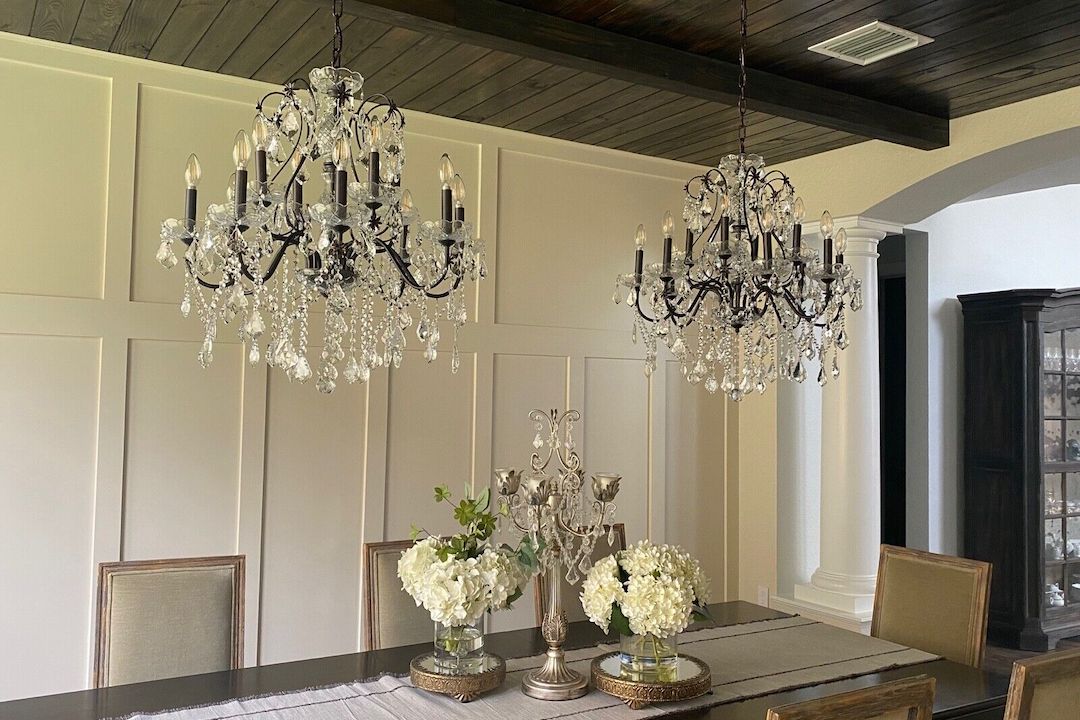
A dining room is a natural setting for a chandelier, and a vintage LED filament model can elevate the dining experience. Positioned above a dining table, it can create an intimate and sophisticated ambiance for meals. The warm light can enhance the appearance of food and beverages, contributing to a pleasant dining atmosphere.
Creating an Intimate Setting
- Table Illumination: The chandelier’s placement directly over the dining table ensures that the primary surface receives adequate and focused light.
- Mood Setting: The vintage aesthetic, combined with warm lighting, promotes conversation and a relaxed dining experience.
- Style Harmony: Consider the table and chairs. A rustic wooden table might pair well with an industrial-style vintage chandelier, while a more formal setting could benefit from an ornate brass or crystal-accented design.
Revitalizing Kitchens and Breakfast Nooks
While often associated with formal spaces, LED filament vintage chandeliers can also bring character to kitchens and breakfast nooks. A smaller, more understated vintage chandelier can add a touch of charm to an island or a breakfast table. This approach lends personality to utilitarian spaces and can bridge the gap between functional and decorative design.
Injecting Personality
- Island Lighting: A cluster of smaller pendant-style LED filament fixtures or a single, compact chandelier can illuminate a kitchen island, adding both light and style.
- Breakfast Nook Enhancement: In a cozy breakfast nook, a charming vintage chandelier can transform a simple dining area into a more inviting space.
- Material Contrast: The metallic finishes of vintage chandeliers can offer an appealing contrast to common kitchen materials like stainless steel or granite.
Accents in Bedrooms and Hallways
Beyond primary living areas, these chandeliers can serve as decorative accent pieces. In a bedroom, a more subdued vintage chandelier can provide ambient lighting and add a sophisticated touch. In hallways or entryways, they can create a welcoming and elegant first impression.
Creating Welcoming Entryways
- Focal Point in Entry: A chandelier in a foyer or entryway sets a tone of elegance and hospitality for guests.
- Ambient Bedroom Light: A dimmer-compatible LED filament chandelier in a bedroom offers a soft, relaxing light for unwinding.
- Task Lighting Considerations: For hallways, ensure the chandelier provides sufficient general illumination for navigation, regardless of its decorative function.
Factors to Consider When Purchasing
When selecting an LED filament vintage chandelier, several practical and aesthetic considerations come into play. Beyond the visual style, understanding features such as dimmability, appropriate wattage, and color temperature is essential for both functionality and the overall success of the lighting scheme.
Dimmability and Control
The ability to dim a chandelier significantly enhances its versatility. Dimmable LED filament bulbs allow for adjustment of light intensity, enabling the creation of different moods and adapting the lighting to various activities. It is crucial to ensure that both the LED bulbs and the dimmer switch are compatible. Not all LED bulbs are dimmable, and not all dimmer switches are designed for LED technology.
Ensuring Compatibility
- LED-Ready Dimmers: Look for dimmer switches specifically designed for LED lights. Older dimmer models may cause flickering or premature failure of LED bulbs.
- Bulb Specifications: Always check the specifications of the LED filament bulbs to confirm that they are marked as “dimmable.”
- Manufacturer Recommendations: Consult the chandelier and bulb manufacturer’s guidelines for recommended dimmer types and pairings.
Color Temperature and Brightness (Lumens)
Choosing the correct color temperature is paramount to achieving the desired vintage effect. As discussed earlier, warm white tones (2200K-2700K) best replicate the ambiance of incandescent bulbs. Brightness, measured in lumens, dictates the overall light output. While LED filaments are energy-efficient, their lumen output should be sufficient for the intended purpose of the room. A chandelier that is too dim will be ineffective for general illumination, while one that is too bright may feel harsh, even with a warm color temperature.
Matching Light to Purpose
- Lumens per Bulb and Number of Bulbs: Caculate the total lumen output by multiplying the lumens per bulb by the number of bulbs in the chandelier.
- Room Size and Function: A larger room or a room used for tasks requiring more light will need a higher total lumen output.
- Personal Preference: Ultimately, the desired level of brightness is subjective, but it should be balanced with the aesthetic goals.
Size, Scale, and Proportion
The physical dimensions of the chandelier are critical for its visual impact and to avoid making the space feel unbalanced. There are general guidelines for determining the appropriate size of a chandelier based on the room’s dimensions and ceiling height. A chandelier that is too large can dominate the space and feel imposing, while one that is too small can appear insignificant.
Guidelines for Sizing
- Room Dimensions: A common rule of thumb is to add the length and width of the room in feet. The sum, in inches, can approximate the ideal diameter of the chandelier. For example, a 15ft x 20ft room (35ft sum) would suggest a chandelier with a diameter of around 35 inches.
- Ceiling Height: For standard 8-foot ceilings, the bottom of the chandelier should typically be around 7 feet from the floor. For higher ceilings, the chandelier can be hung lower.
- Over Dining Tables: The chandelier should be at least 1 foot narrower than the dining table on each side.
Material and Finish Consistency
The materials and finishes used in the chandelier should ideally harmonize with the existing décor. If the room features brushed nickel hardware, a chandelier with a brushed nickel or clear metallic finish might be appropriate. In a room with a lot of wood, a chandelier with bronze or blackened iron finishes could complement the natural tones. Overly contrasting materials and finishes can disrupt the visual flow of the interior.
Harmonizing with Existing Elements
- Hardware and Fixtures: Consider the metal finishes of other light fixtures, door handles, and cabinet hardware in the room or adjoining spaces.
- Furniture and Wood Tones: The chandelier’s finish can either blend with or provide a deliberate contrast to the tones of your furniture and woodwork.
- Overall Style: The chosen finish should reinforce the intended aesthetic of the room – be it classic, modern, industrial, or rustic.
Maintenance and Care
Maintaining an LED filament vintage chandelier involves regular cleaning and occasional bulb replacement, though the latter is infrequent due to the longevity of LEDs. Proper care ensures the fixture retains its aesthetic appeal and continues to function effectively for years to come.
Cleaning the Chandelier
The frequency of cleaning depends on the environment. Dust accumulation is the primary concern. When cleaning, it is important to turn off the power to the chandelier at the switch and, for added safety, at the circuit breaker.
Cleaning Procedures
- Dusting: Use a soft, dry microfiber cloth or a feather duster to gently remove dust from the glass shades and metal components.
- Stubborn Grime: For more persistent dirt or smudges on glass, a glass cleaner applied to a cloth (never directly to the fixture) can be used. Avoid abrasive cleaners that can scratch surfaces.
- Metal Components: For metal parts, use a mild soap and water solution on a soft cloth, followed by drying to prevent water spots. Specialized metal polishes can be used sparingly and according to manufacturer instructions for specific finishes.
Bulb Replacement
Due to the extended lifespan of LED filament bulbs, replacement is a rare occurrence. When a bulb does eventually fail, or if a different color temperature or brightness is desired, replacement is a straightforward process.
Replacing LED Filament Bulbs
- Power Off: Always ensure the power to the chandelier is switched off before attempting to replace a bulb.
- Allow Cooling: If the chandelier has been recently in use, allow the bulbs to cool down completely before touching them.
- Unscrewing/Securing: LED filament bulbs typically screw into their sockets like traditional bulbs. Gently unscrew the old bulb and screw in the new one until it is snug. Do not overtighten.
- Compatibility: Ensure the replacement bulb is the correct type (e.g., E26/E27 base) and meets the voltage and wattage requirements specified for the chandelier.
Checking for Loose Connections
Periodically, it is advisable to visually inspect the chandelier for any loose connections or signs of wear. While infrequent, loose wiring can be a safety hazard.
Safety Inspections
- Visual Check: From a safe distance, observe the chandelier for any drooping or unsecured parts.
- Professional Inspection: If any concerns arise regarding the wiring or structural integrity, consult a qualified electrician for an inspection and any necessary repairs. This is particularly important for older chandeliers that may have been rewired or adapted for LED bulbs.
Future Trends and Innovations
The evolution of LED technology continues to drive innovation in lighting design. For LED filament vintage chandeliers, future trends may involve enhanced control options, greater energy efficiency, and the integration of smart home capabilities.
Smart Home Integration and Control
The trend towards interconnected smart homes extends to lighting. Future LED filament vintage chandeliers may feature built-in Wi-Fi or Bluetooth connectivity, allowing for control via smartphone apps, voice commands through virtual assistants (like Alexa or Google Assistant), and integration with smart home automation systems. This could include features such as automated scheduling, scene creation, and remote access.
Smart Features
- App Control: Adjust brightness, color temperature (if applicable), and set schedules remotely.
- Voice Activation: Integrate with smart speakers for hands-free control.
- Automation: Coordinate chandelier settings with other smart home devices, such as presence sensors or smart thermostats.
Advanced Filament Designs and Materials
Ongoing research and development in LED technology may lead to more sophisticated filament designs. This could include filaments that offer a more uniform glow, greater durability, or specialized light spectrums. Advances in materials science might also contribute to more aesthetically versatile or resilient glass enclosures.
Emerging Technologies
- Improved Light Distribution: Filaments designed to more closely mimic the luminous flux of incandescent bulbs, reducing the “spotty” effect sometimes seen in early LED filaments.
- New Material Composites: Development of more energy-efficient and durable materials for filament substrates and enclosures.
- Tunable White and Full Spectrum LEDs: While perhaps less aligned with the strict “vintage” aesthetic, future iterations might offer broader control over light quality beyond warm white.
Sustainability and Recyclability
As environmental consciousness grows, manufacturers are likely to focus more on the sustainability of their products. This could involve using more recycled materials in chandelier construction, designing for easier disassembly and recycling of components, and further improving the energy efficiency of LED filaments.
Eco-Friendly Design
- Recycled Content: Increased use of recycled metals and glass in the chandelier’s frame and shades.
- Modular Design: Components that can be easily replaced or upgraded, extending the product’s lifespan and reducing e-waste.
- Energy Performance Standards: Continued pushing of efficiency benchmarks beyond current regulations, leading to even lower energy consumption.