
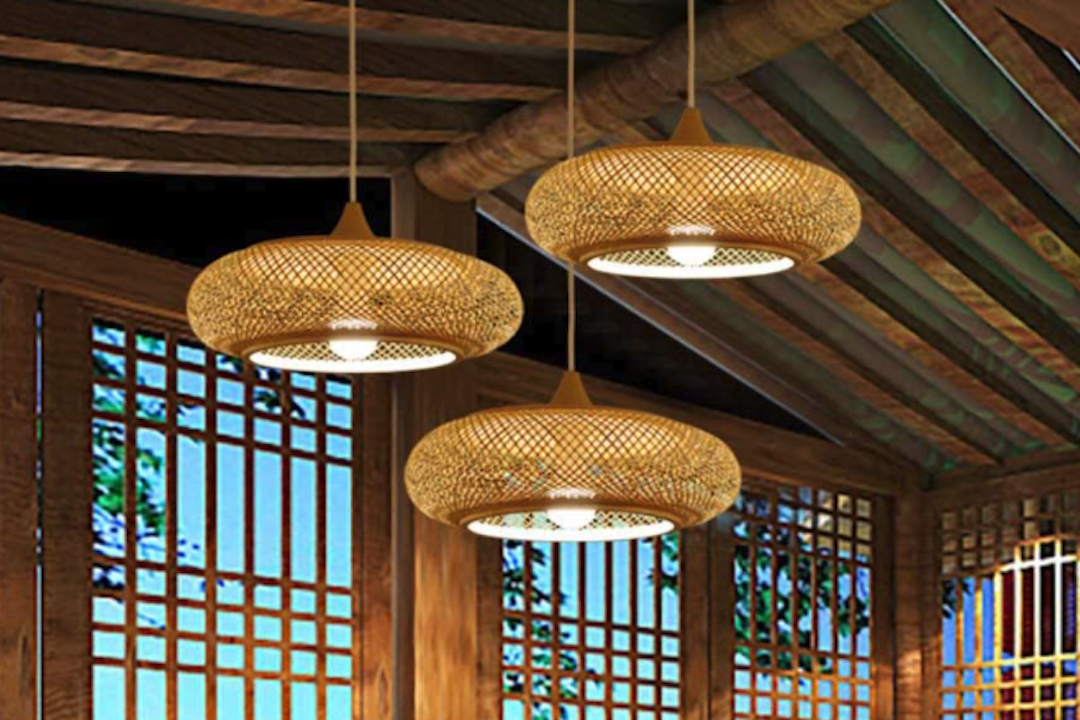
The bamboo woven pendant light, a fixture that bridges the functional need for illumination with an aesthetic drawn from Japanese design principles, offers a distinctive addition to interior spaces. Its construction, often a testament to traditional craft techniques, imbues it with a natural warmth and a subtle elegance that can transform a room. This article will explore the genesis, characteristics, and applications of bamboo woven pendant lights, examining their place in contemporary design.
The use of bamboo in Japanese culture spans millennia, permeating various aspects of life, from architecture and furniture to tools and art. Its prevalence is deeply intertwined with the archipelago’s natural environment, where bamboo grows abundantly.
The Significance of Bamboo in Japan
Bamboo’s rapid growth and its remarkable strength relative to its weight have made it a readily available and sustainable resource for Japanese artisans. It is more than just a material; it is a symbol.
Sacred Associations and Traditional Beliefs
Traditionally, bamboo has held spiritual significance in Japan. Its straight, slender form was often associated with uprightness and purity. Certain groves were considered sacred, and bamboo was used in Shinto rituals and ceremonies. The ability of bamboo to bend without breaking also represented resilience and inner strength, qualities highly valued in Japanese philosophy.
Practical Applications Throughout History
Beyond its cultural and spiritual roles, bamboo has been a cornerstone of Japanese practicality. It formed the skeletal structure of many traditional dwellings, providing flexibility that could withstand the seismic activity common to the region. Its versatility extended to crafting intricate latticework for screens and windows, sturdy baskets for everyday use, and even musical instruments. This deep-seated familiarity with bamboo’s properties and potential naturally led to its integration into decorative and functional lighting elements.
Evolution of Lighting in Japanese Homes
From the flickering flames of oil lamps to the advent of modern electricity, Japanese lighting solutions have always sought to balance utility with ambiance. Early forms of lighting often involved rice paper lanterns, known as andon, which diffused light softly, creating a gentle glow.
From Andon to Modern Illumination
The andon, a paper-covered wooden frame with a candle or oil lamp inside, served as a primary source of light in traditional Japanese homes. Its translucent paper diffused light, preventing harsh shadows and contributing to the serene atmosphere characteristic of Japanese interiors. The development of the more enclosed, yet still often natural-material-based, pendant light Idoraliving can be seen as a modern evolution of this principle.
The Influence of Wabi-Sabi
The aesthetic of wabi-sabi, a worldview centered on the acceptance of transience and imperfection, has profoundly influenced Japanese design, including lighting. This philosophy favors natural materials, organic shapes, and the beauty found in wear and patina. Bamboo, with its inherent variations in texture and color, and its tendency to age gracefully, perfectly embodies these principles. A bamboo woven pendant light, as it matures, can develop a richer character, echoing the wabi-sabi appreciation for the passage of time and the subtle beauty of imperfection.
Design and Construction of Bamboo Woven Pendant Lights
The creation of a bamboo woven pendant light is a meticulous process, requiring skilled craftsmanship to transform raw bamboo into an intricate and functional piece of art. The characteristic woven patterns are not merely decorative but also play a crucial role in how light is diffused.
Materials and Techniques
The selection of bamboo and the weaving methods employed are central to the aesthetic and structural integrity of these lights.
Sourcing and Preparing Bamboo
Not all bamboo is suitable for crafting delicate lighting fixtures. Younger, flexible culms are often preferred for their pliability. The bamboo is typically harvested, then dried and seasoned to prevent cracking and warping. This preparation stage is critical for the longevity of the finished product. Skilled artisans may split the bamboo into thin strips or use whole, slender sections depending on the desired outcome.
Traditional Weaving Methods
Various weaving patterns are utilized, each contributing a unique texture and light-filtering quality. Common techniques include:
- Diamond weave: Creates an open, geometric pattern that allows for significant light passage and casts distinctive shadows.
- Basket weave: Offers a more dense, yet still breathable, texture, providing a softer diffusion of light.
- Twisted or latticed patterns: These can create more intricate designs and varied light effects.
The act of weaving itself is often a meditative practice, where the artisan’s hands intuitively guide the material, creating a pattern that feels both deliberate and organically formed. The process can be likened to a weaver creating a tapestry, where each strand contributes to the overall picture and structural soundness.
Aesthetic Qualities and Light Diffusion
The interplay between the woven bamboo and the light source is fundamental to the appeal of these pendant lights.
Natural Texture and Warmth
The inherent texture of bamboo, with its subtle variations of color and nodal patterns, brings an organic warmth to any space. Unlike the uniformity of manufactured materials, bamboo retains a natural character that can make a room feel more grounded and inviting. It acts as a natural amplifier of light’s cozy properties.
Shadow Play and Ambiance
The apertures created by the woven patterns are more than just openings; they become intentional elements of design. As light passes through these openings, it casts intricate shadows on walls and ceilings, transforming the room into a dynamic canvas. This “shadow play” is a key contributor to the ambient atmosphere, creating a sense of depth and visual interest. The pattern of the shadows can be as varied as the weave itself, from sharp, defined lines to softer, more diffused shapes.
Durability and Sustainability
Bamboo is renowned for its strength and resilience, qualities that translate into the durability of these pendant lights. Furthermore, bamboo is a highly renewable resource, making these fixtures an environmentally conscious choice. Its rapid growth cycle means that harvesting bamboo can be done sustainably without depleting resources, a stark contrast to some slower-growing timber alternatives. This makes them a green choice for conscious consumers.
Variations and Styles
While the core concept of a bamboo woven pendant light remains consistent, a wide array of styles and variations exist, catering to diverse aesthetic preferences and functional needs.
Size and Shape
The dimensions and geometric forms of bamboo pendant lights can vary significantly, impacting their visual presence and suitability for different spaces.
Statement Pieces and Subdued Accents
Larger, more complexly woven designs can serve as statement pieces, becoming a focal point in a living room or dining area. Conversely, smaller, simpler woven shades can provide a more subtle accent, complementing existing decor without overwhelming it.
Geometric Forms and Organic Shapes
While many designs lean towards organic, rounded forms that mimic natural shapes, others embrace geometric configurations like spheres, cubes, or elongated cylinders. This allows them to integrate seamlessly into both contemporary and more traditional interior schemes.
Color and Finish
The natural color of bamboo can be enhanced or altered through various finishing techniques, offering further stylistic flexibility.
Natural Bamboo Tones
The most common finishes showcase the natural golden-brown hues of bamboo, ranging from pale straw to deeper amber. These tones exude a sense of natural authenticity and warmth.
Stained and Painted Options
For those seeking a different aesthetic, bamboo can be stained to achieve darker, richer tones, or even painted in various colors, allowing the light fixture to either blend in or stand out as a deliberate design element. This adaptability means a bamboo woven pendant light can be made to whisper rather than shout in a room’s design.
Integrated Elements
Some designs incorporate other natural or complementary materials, expanding the visual and textural possibilities.
Combination with Other Natural Materials
You might find bamboo woven shades paired with elements of rattan, hemp rope, or even ceramic accents. These combinations can create a more complex and artisanal look, further emphasizing the craft aspect of the lighting.
Modern Adaptations with Electrical Components
While the weaving remains traditional, the integration of modern LED bulbs and discreet electrical fittings ensures that these lights are as functional and energy-efficient as any contemporary fixture. The design gracefully bridges the gap between age-old craft and modern technology.
Applications and Integration into Interior Design
The versatility of bamboo woven pendant lights allows them to enhance a wide range of interior design styles and functional spaces. Their natural aesthetic and artisanal quality lend themselves to creating specific moods and atmospheres.
Residential Spaces
In homes, these lights can be incorporated into various rooms to create warmth and a connection to nature.
Living Rooms and Dining Areas
As mentioned, statement pieces can anchor a living room or dining area, providing both illumination and a conversation-starting design element. The diffused light creates a welcoming ambiance for social gatherings or quiet evenings. Think of it as setting the stage for memorable moments.
Bedrooms and Cozy Nooks
In bedrooms, a smaller, more subtly woven pendant can provide soft, ambient light, contributing to a tranquil and relaxing atmosphere. They are also well-suited for creating cozy reading nooks or accent lighting in hallways.
Kitchens and Breakfast Areas
A cluster of smaller bamboo pendants over an island or kitchen counter can add a touch of organic charm and gentle light, making the kitchen feel more inviting.
Commercial and Hospitality Interiors
The unique character of bamboo woven pendant lights makes them a popular choice for businesses seeking to create a distinctive and welcoming environment.
Restaurants and Cafes
Their ability to create a warm, inviting ambiance makes them ideal for restaurants and cafes looking to cultivate a relaxed and artisanal atmosphere. The subtle light can enhance the dining experience without being obtrusive.
Boutiques and Yoga Studios
In retail spaces, they can add a touch of natural elegance and sophistication. For wellness centers like yoga studios, their earthy tones and soft light contribute to a serene and grounding environment. They become silent collaborators in the creation of a mindful space.
Design Styles They Complement
While often associated with Japanese-inspired or minimalist interiors, bamboo woven pendant lights can surprisingly adapt to a broader spectrum of design aesthetics.
Japandi and Minimalist Interiors
Naturally, they are a perfect fit for Japandi (Japanese-Scandinavian) and minimalist styles, where natural materials, clean lines, and a focus on tranquility are paramount. They bring a much-needed touch of organic warmth to these often-austere aesthetics.
Bohemian and Eclectic Decor
Their artisanal quality also makes them a great addition to bohemian or eclectic interiors, where a mix of textures and global influences are embraced. They can add an unexpected layer of natural texture to a bohemian space, like a whisper of the forest floor.
Modern Farmhouse and Coastal Styles
In modern farmhouse or coastal-inspired homes, bamboo woven lights can introduce a natural, textured element that complements the use of wood and other organic materials, adding an earthy counterpoint to brighter palettes.
Considerations for Selection and Placement
When choosing and integrating a bamboo woven pendant light into a space, several factors come into play to ensure both aesthetic harmony and optimal function. Careful consideration of these elements ensures the light becomes a wise addition, not a mismatched appendage.
Scale and Proportion
The size of the pendant light relative to the room and its furnishings is crucial.
Matching the Fixture to the Space
A large, ornate bamboo pendant might overwhelm a small room, while a diminutive light could be lost in a grander space. Consider not only the physical dimensions but also the visual weight of the woven material. A generously proportioned room can support a more substantial fixture, while a more intimate setting might benefit from a lighter, airier design.
Ceiling Height and Placement
The height at which the pendant is hung is equally important. In rooms with lower ceilings, a slightly shorter cord or a more compact design can prevent the fixture from feeling oppressive. For rooms with high ceilings, a longer suspension can help bring the light down to a more functional and visually impactful level. The placement above a specific piece of furniture, like a dining table or kitchen island, should allow for comfortable movement and adequate illumination of the task area.
Light Source and Brightness
The type of bulb and its lumen output will significantly affect the ambiance created.
Bulb Type and Color Temperature
While many bamboo woven pendants are designed for incandescent or LED bulbs, it’s important to choose a bulb that complements the natural material. Warm white bulbs (around 2700K-3000K) often enhance the cozy, natural feel of bamboo. Cooler temperatures might detract from its inherent warmth.
Dimmers for Versatility
The inclusion of a dimmer switch is highly recommended. This allows for adjustment of light intensity, enabling the pendant to serve as bright task lighting when needed or as a soft, ambient source for relaxation or dining. This adaptability makes the light a chameleon, changing its character to suit the moment.
Maintenance and Cleaning
Bamboo, being a natural material, requires some attention to maintain its appearance.
Dusting and Gentle Cleaning
Regular dusting with a soft cloth or a feather duster is usually sufficient to keep the fixture clean. For more stubborn grime, a slightly damp cloth can be used, but it’s important to dry the bamboo thoroughly afterward to prevent moisture damage. Harsh chemicals should be avoided.
Avoiding Moisture and Direct Sunlight
Prolonged exposure to excessive moisture or direct, intense sunlight can cause bamboo to fade, warp, or become brittle. Therefore, placing these lights in steamy bathrooms or directly in the path of strong, direct sunlight is generally not advisable. This simple care ensures the light’s enduring beauty.
Conclusion
The bamboo woven pendant light stands as a compelling example of how traditional craftsmanship and natural materials can be successfully integrated into contemporary design. Its origins in Japanese culture, deeply rooted in a respect for nature and an appreciation for subtle beauty, are evident in every carefully woven strand. The light it casts is not merely functional illumination; it is a quality of warmth, a play of shadows, and an embodiment of artisanal skill. As interiors increasingly seek to connect with the natural world and embrace sustainable practices, the bamboo woven pendant light offers a thoughtfully designed solution, bringing a touch of organic elegance and mindful living to any space. It is a testament to the enduring power of simple materials, expertly handled, to create objects of both utility and profound aesthetic appeal.