
Modern industrial design has emerged as a significant movement in the world of architecture and interior design, characterized by its raw, utilitarian aesthetic that draws inspiration from the factories and warehouses of the late 19th and early 20th centuries. This design philosophy emphasizes the beauty of materials such as metal, wood, and concrete, often leaving them in their natural state to showcase their inherent qualities. The rise of this style can be traced back to the urbanization and industrialization that transformed cities during the Industrial Revolution, leading to a newfound appreciation for the functional aspects of design.
As cities expanded and industries flourished, designers began to explore how these elements could be integrated into living spaces, resulting in a unique blend of form and function. The resurgence of industrial design in recent years can also be attributed to the growing trend of repurposing old buildings into modern living spaces. Many former factories and warehouses have been converted into lofts and apartments, providing a canvas for designers to experiment with industrial elements.
This trend has not only preserved historical architecture but has also given rise to a new aesthetic that celebrates the imperfections and character of these structures. The use of exposed brick walls, large windows, and open floor plans has become synonymous with modern industrial design, creating an environment that feels both spacious and intimate. As a result, this style has gained popularity among homeowners and designers alike, leading to a broader acceptance of industrial elements in various design contexts.
The Versatility of Glass in Interior Design
Glass has long been celebrated for its versatility in interior design, offering a unique combination of transparency, lightness, and elegance. Its ability to reflect and refract light makes it an ideal material for creating bright and airy spaces. Designers often utilize glass in various forms, from large windows that invite natural light into a room to decorative elements such as glass partitions and furniture.
This adaptability allows glass to seamlessly integrate into a wide range of design styles, from contemporary to traditional, enhancing the overall aesthetic without overwhelming the space. In addition to its aesthetic appeal, glass serves practical purposes in interior design. It can create the illusion of more space, making small rooms feel larger and more open.
For instance, using glass walls or sliding doors can visually expand a room while maintaining a sense of separation between spaces. Furthermore, glass is easy to clean and maintain, making it a practical choice for high-traffic areas or homes with children and pets. Its durability also means that it can withstand the test of time, both in terms of style and functionality.
As designers continue to explore innovative ways to incorporate glass into their projects, its role in interior design is likely to evolve further, solidifying its status as a staple material.
The Appeal of Minimalist Lighting Solutions
Minimalist lighting solutions have gained traction in recent years as part of the broader minimalist design movement that emphasizes simplicity and functionality. This approach to lighting focuses on clean lines, understated forms, and a lack of unnecessary embellishments. The appeal of minimalist lighting lies in its ability to create a serene atmosphere while providing essential illumination without overwhelming the space.
By stripping away excess ornamentation, minimalist lighting allows other design elements to shine, fostering a sense of harmony within the environment. One of the key characteristics of minimalist lighting is its emphasis on functionality. Fixtures are designed not only to provide light but also to enhance the overall aesthetic of the room.
For example, pendant lights with sleek silhouettes can serve as focal points while maintaining a low profile. Additionally, minimalist lighting often incorporates energy-efficient technologies such as LED bulbs, which not only reduce energy consumption but also contribute to a cleaner, more modern look. This focus on sustainability aligns with the values of many contemporary consumers who seek to make environmentally conscious choices in their homes.
The Functionality of Floor Lamps in Modern Spaces
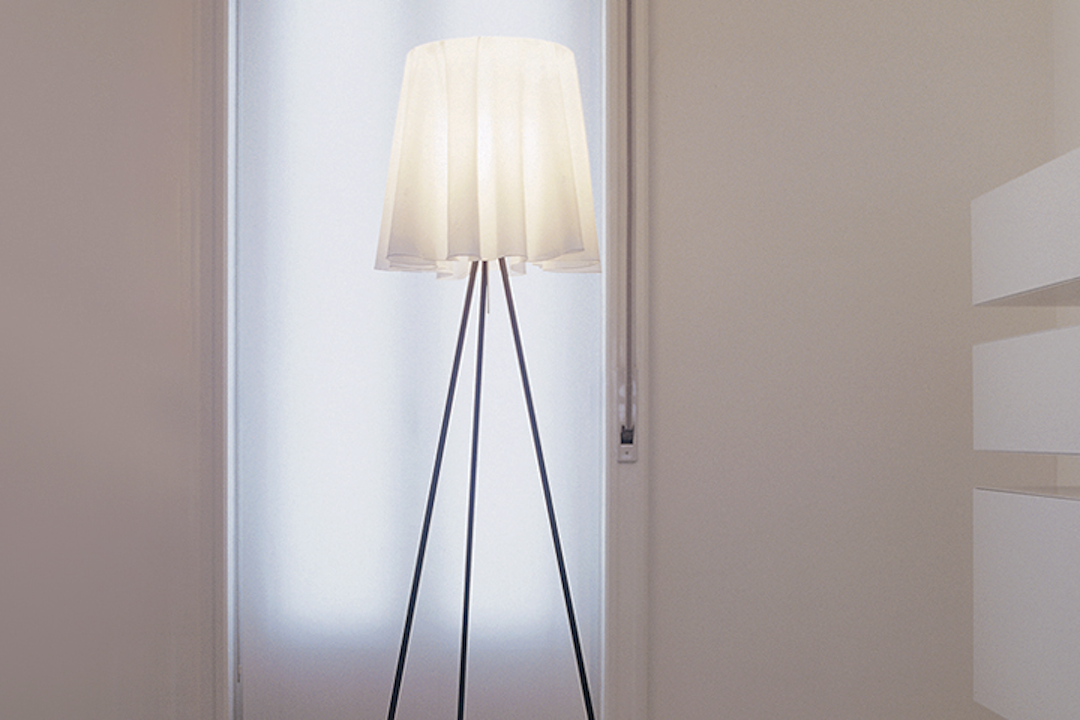
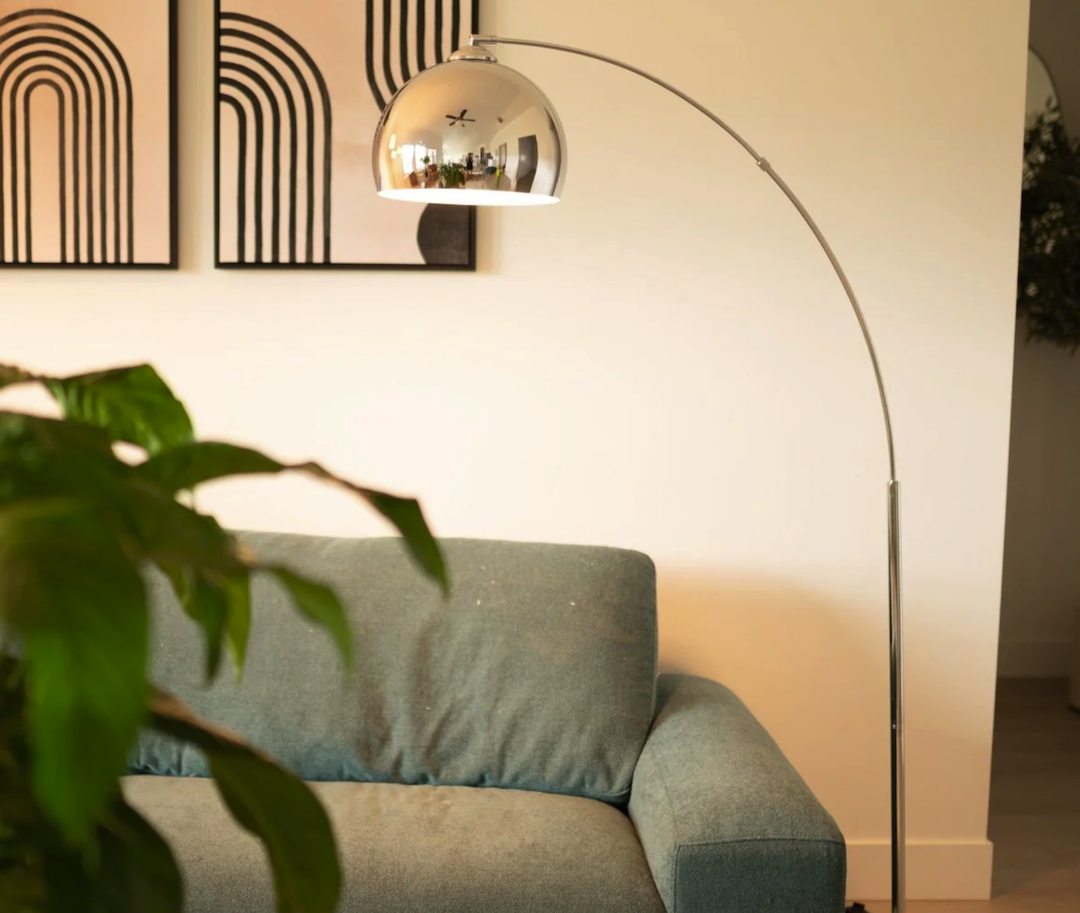
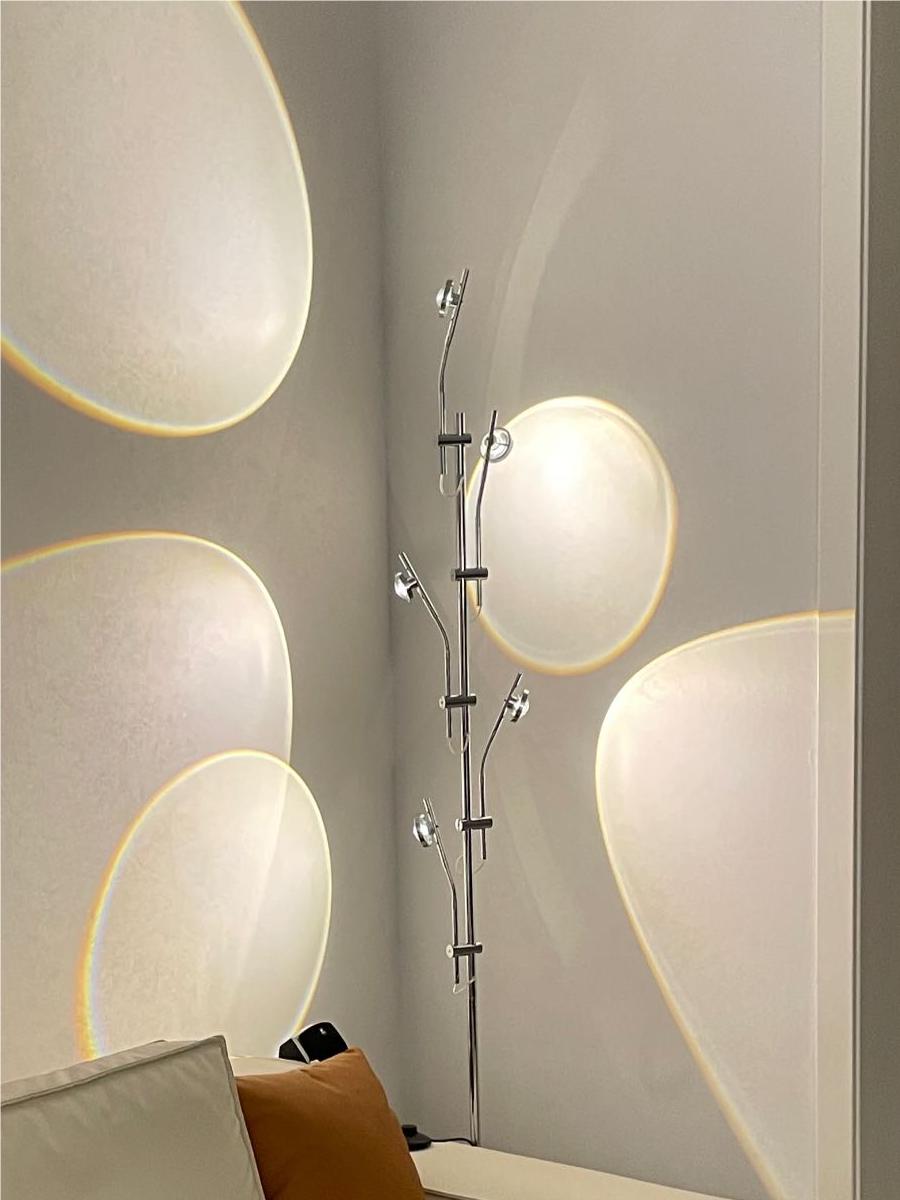
Floor lamps Ezerliving have long been a staple in interior design, offering both illumination and style. In modern spaces, they serve multiple functions that extend beyond mere lighting. One of the primary advantages of floor lamps is their versatility; they can be easily moved from one location to another, allowing homeowners to adapt their lighting according to their needs.
Whether used for reading in a cozy corner or providing ambient light in an open living area, floor lamps can enhance the functionality of a space while adding visual interest. Moreover, floor lamps come in an array of designs that cater to various tastes and preferences. From sleek and contemporary models to more traditional styles, there is a floor lamp to suit every aesthetic.
This diversity allows homeowners to select fixtures that complement their existing decor while also making a statement. Additionally, many modern floor lamps incorporate adjustable features such as dimmers or movable arms, providing users with greater control over their lighting environment. This adaptability makes floor lamps an essential component of modern interior design, as they can easily transition between different functions and styles.
The Impact of Industrial Design in Contemporary Interiors
The influence of industrial design on contemporary interiors is profound and far-reaching. As more homeowners embrace this aesthetic, it has become increasingly common to see industrial elements integrated into various design styles. The raw materials associated with industrial design—such as exposed brick, metal accents, and reclaimed wood—are often combined with softer textures and colors to create a balanced environment that feels both inviting and stylish.
This fusion allows for greater creativity in design while maintaining the core principles of industrial aesthetics. Furthermore, industrial design has encouraged a shift towards open-concept living spaces that prioritize functionality and flow. The emphasis on large, unobstructed areas allows for greater flexibility in how spaces are used and arranged.
This trend has led to the creation of multifunctional furniture pieces that serve various purposes while maintaining an industrial flair. For instance, dining tables made from reclaimed wood paired with metal chairs exemplify this blend of style and practicality. As contemporary interiors continue to evolve, the impact of industrial design will likely remain significant, shaping how we think about space and aesthetics.
How Glass Floor Lamps Enhance Minimalist Decor
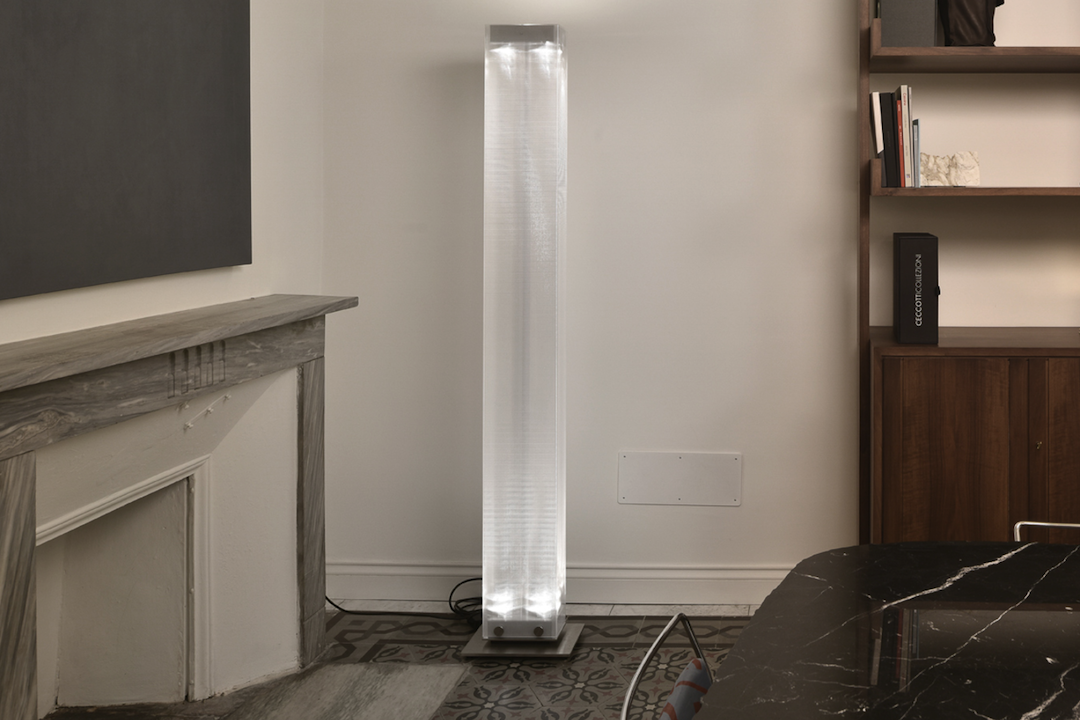
Glass floor lamps have emerged as a popular choice for enhancing minimalist decor due to their ability to blend seamlessly into various environments while adding an element of sophistication. The transparency of glass allows these lamps to provide illumination without visually cluttering a space. This quality is particularly beneficial in minimalist settings where simplicity is key; glass floor lamps can illuminate areas without detracting from the overall aesthetic.
In addition to their visual appeal, glass floor lamps often feature sleek designs that align with minimalist principles. Many models incorporate clean lines and geometric shapes that complement contemporary decor while remaining unobtrusive. For example, a slender glass floor lamp with a simple shade can serve as an elegant accent piece in a minimalist living room or bedroom.
By choosing glass floor lamps that embody these characteristics, homeowners can enhance their minimalist decor while ensuring that their lighting solutions remain functional and stylish.
Choosing the Right Glass Floor Lamp for Your Space
Selecting the right glass floor lamp for your space involves considering several factors that contribute to both functionality and aesthetics. First and foremost is the size of the lamp; it should be proportionate to the room’s dimensions and other furnishings. A large glass floor lamp may overwhelm a small room, while a petite model might get lost in a spacious area.
Additionally, consider the height of the lamp in relation to surrounding furniture; it should provide adequate illumination without obstructing sightlines or creating an imbalance within the space. Another important aspect is the style of the glass floor lamp itself. With various designs available—from modern minimalist options to more ornate vintage styles—it’s essential to choose one that complements your existing decor.
Pay attention to details such as the shape of the base, the type of glass used, and any additional features like adjustable arms or dimming capabilities. These elements can significantly impact how well the lamp integrates into your overall design scheme while fulfilling your lighting needs.
The Future of Modern Industrial Lighting Solutions
As we look toward the future of modern industrial lighting solutions, several trends are emerging that promise to shape this dynamic field further. One notable direction is the increasing integration of smart technology into lighting fixtures. Smart industrial lamps equipped with features such as remote control capabilities or compatibility with home automation systems are becoming more prevalent.
This innovation allows users to customize their lighting experience according to their preferences while maintaining the raw aesthetic associated with industrial design. Sustainability is another critical factor influencing the future of industrial lighting solutions. As consumers become more environmentally conscious, there is a growing demand for energy-efficient fixtures made from sustainable materials.
Manufacturers are responding by developing products that not only adhere to eco-friendly standards but also embody the rugged charm characteristic of industrial design. This commitment to sustainability will likely drive innovation in materials and technologies used in lighting solutions moving forward. In conclusion, modern industrial design continues to evolve alongside trends in interior decor and technology.
The versatility of materials like glass plays a crucial role in this evolution, particularly when paired with minimalist aesthetics and functional lighting solutions such as floor lamps. As we navigate this ever-changing landscape, it is clear that industrial design will remain at the forefront of contemporary interiors, influencing how we create functional yet stylish living spaces for years to come.